






Introduction
Mykonos, the iconic Cycladic island, is often synonymous with parties, windmills and the whitewashed lanes of Chora. But step away from the famous beaches and packed clubs and you’ll discover a different side: a coastline full of hidden coves, crystal-clear water and surprising marine life. Snorkeling on Mykonos is the perfect gateway to this underwater world — accessible, safe and incredibly photogenic. Whether you’re a total beginner or just want to spot colorful fish in transparent seas, Mykonos ticks a lot of boxes: clear water, usually gentle summer currents, rocky bottoms and Posidonia meadows where small fish and cephalopods thrive.
In this guide you’ll find a practical, detailed introduction to snorkeling on Mykonos: where to go, how to kit up, which gear providers to consider, and above all how to spot the most interesting fish. We give precise addresses — beaches, parking and access points — opening-time tips and price ranges for equipment rental or guided trips. We’ll also describe the habitats of local species (mullet, sea bream, bogues, scorpionfish, small morays, octopus), so you know where to look and how to approach without disturbing the marine life.
Snorkeling on Mykonos also means showing respect: for Posidonia meadows, local rules (swimming zones, piers and jetties) and other sea users (boaters, windsurfers). We recommend routes and times — sunrise for calm water and great light, late afternoon for warm tones and fewer people — and list the best schools and local rental shops for a supervised first outing. Throughout the article you’ll find local practical tips: how to get to the beaches, where to park, best periods to avoid the meltemi and a checklist of must-have equipment.
The aim is simple: after reading this you’ll be ready to strap on a mask and snorkel, confident enough to enjoy a safe, colorful ballet of Indo-Mediterranean fish, sponges and anemones. Check your mask, tighten your straps and let the sea of Mykonos show you its secrets.
Why Mykonos is ideal for beginner snorkelers
Mykonos has several advantages for snorkeling newcomers. First, water clarity during the high season (May to October) makes spotting marine life easy — visibility can reach 15 to 30 meters on good days. The coastline alternates sandy beaches, sheltered bays and rocky bottoms, creating a variety of habitats where fish gather: rocks provide shelter for small sea bream and bogues, while Posidonia meadows attract mullet and other schooling fish. Shallow areas (1–5 meters) are reassuring for beginners who don’t want to dive deep to see wildlife.
On the practical side, many beaches offer services: life vest, mask and snorkel rentals, dive schools offering introductory sessions, and nearby restaurants to refuel. South and southeast-facing coves are often calmer, sheltered from the meltemi (the northerly wind) that can blow strongly. By choosing early morning — sunrise or the first hours of the day — you’ll get the calmest water and the best light for underwater photography.
As for wildlife, expect typical Mediterranean species: golden grey mullet (Liza ramada), sea bream (Diplodus sargus), bogue (Boops boops), scorpionfish (Scorpaena scrofa), small morays (Gymnothorax spp.), octopus (Octopus vulgaris) and sometimes schools of bogues. Sponges and anemones attached to rocks add colorful accents to the seascape. Starfish and small crustaceans hiding in crevices are also regularly spotted.
Finally, for beginners Mykonos has a solid network of reputable operators. Centers in Platis Gialos, Ornos and Kalafatis offer private one-hour lessons or small guided group outings with equipment included. If you want a quieter experience, many natural coves allow independent snorkeling — provided you follow local safety rules (don’t swim past navigation buoys, wear a vest if needed, tell someone your plan).
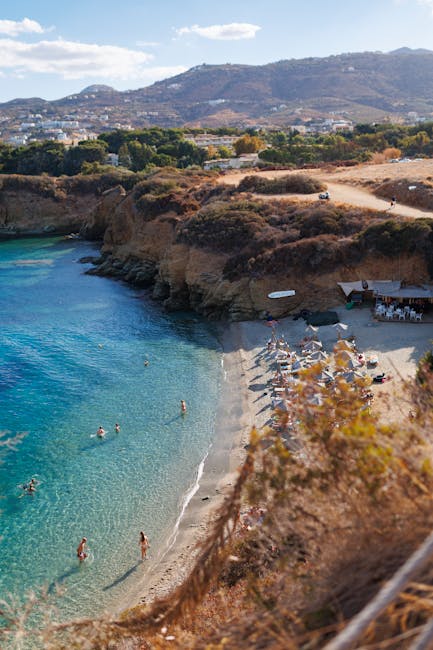
The best snorkeling spots on Mykonos (details, addresses and on-site tips)
Here’s a selection of the most accessible spots rich in marine life around Mykonos. For each place you’ll find: access point or address, recommended times and seasons, a description of the seabed and commonly seen species, indicative prices (gear rental, parking, excursions) and practical local tips.
1. Platis Gialos – Main beach and nearby coves
Address: Platis Gialos, 846 00 Mykonos (southwest coast of the island). Main access point: the central beach in front of Platis Gialos Beach Resort. Approx. GPS: 37.4135, 25.3270.
Access times: public beach open 24/7; services (rentals, cafés) usually 08:00–20:00 in high season (May–Sept).
Prices and services: mask + snorkel + fins rental roughly €8–15 for a half-day; short wetsuit €10–15; intro sessions €30–60 per person for 1 to 1.5 hours. Paid roadside parking (€2–4 / hour); frequent shuttles from Chora (shuttle price €1.50–3).
Description: Platis Gialos combines sandy beach with rocky headlands at the edges where fish gather. The eastern side, near the small harbor, has submerged rocks and rocky shelves at 1–3 meters depth — ideal for beginners. Schools of sea bream and bogues are common, along with small lobsters hiding under stones. Visibility is best in the morning before tourist boats arrive.
Local tips: go early (07:30–09:30) to beat the crowds. Don’t walk on Posidonia meadows — they look like greenish tufts and are protected and essential to the ecosystem. For a guided outing, ask for “Platis Gialos Watersports” (stand near the Thalassa restaurant) — they offer beginner sessions with English-speaking guides.
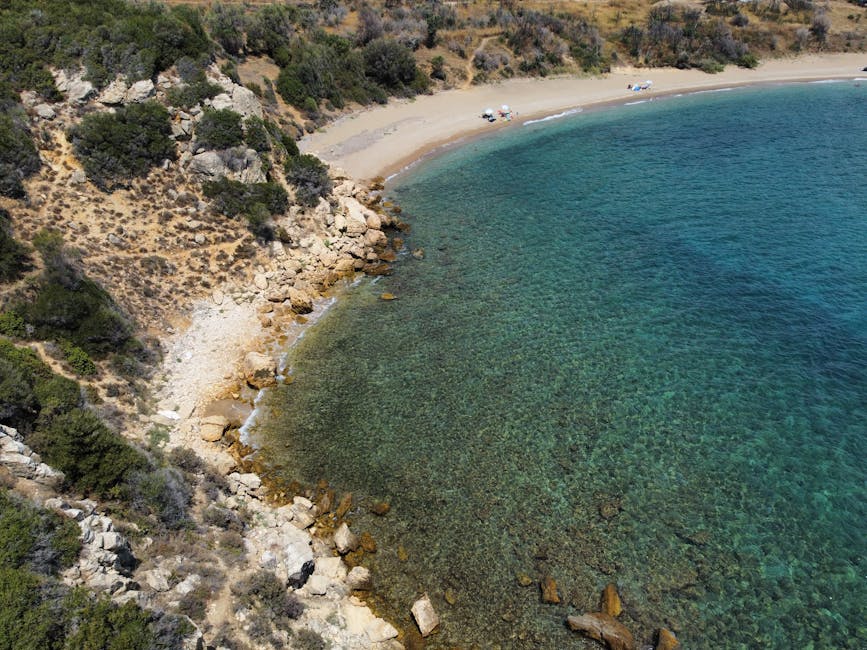
2. Agios Ioannis – Cove near the Panagia Tourliani shrine
Address: Agios Ioannis Beach, Mykonos-Ano Mera Road, 846 00 Mykonos. Access from the roadside parking area; approx. coords 37.4032, 25.2734.
Access times: public beach open 24/7; tavernas and beach bars typically 09:00–23:00.
Prices and services: free parking subject to availability (small roadside lot); gear rental on site €10–20 for a half-day; guided sessions €40–80 depending on duration and group size.
Description: Agios Ioannis is a long narrow beach facing the island of Delos — very photogenic — with a rocky side perfect for snorkeling. The water is often calm and the rocks form shelters for sea bream, gobies and occasionally octopus. There are small shallow caves to explore (at low depth) and rocky plates covered in sponges. It’s a great spot for families with kids from around age 8 who want to get started in shallow water.
Local tips: wear water shoes to cross the pebbly areas. Watch for boats landing near the shore for freediving; respect the buoys. If possible, grab a local map at the “Agios Ioannis Beach Bar” to spot rocky zones and avoid Posidonia meadows.
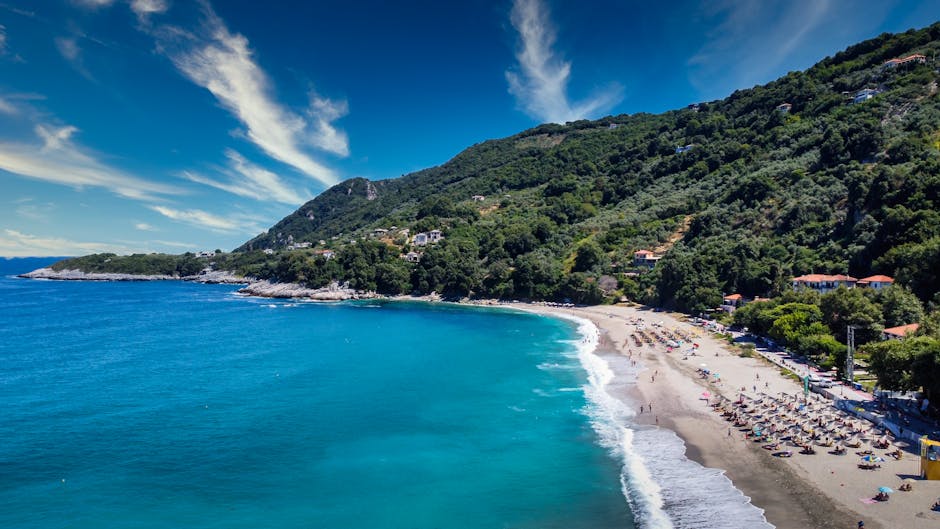
3. Kalo Livadi and Kalafatis – east-facing bays, clear water and varied seabeds
Address: Kalo Livadi Beach, Mykonos-Kalo Livadi Road, 846 00 Mykonos; Kalafatis Beach, Mykonos-Kalafatis Road, 846 00 Mykonos. Kalo Livadi coords: 37.3950, 25.3700; Kalafatis: 37.3920, 25.3880.
Access times: public beaches open 24/7; windsurf schools and clubs typically 08:30–19:00 (high season).
Prices and services: mask/snorkel/fins rental €10–18 half-day; intro courses from €35; paid parking €3–6 per day depending on spot. Boat trips for snorkeling and coastal exploration €45–90 per person.
Description: These east-facing beaches are known for turquoise water and varied bottoms mixing sand, Posidonia and rocks. Kalafatis is especially famous for windsurfing schools and a relatively sheltered bay. Rocky zones southeast of Kalo Livadi host small algae patches and sponge-covered rocks where territorial fish like scorpionfish hide. Kalo Livadi is less busy than Platis Gialos, offering a quieter immersion and more sustained wildlife sightings.
Local tips: opt for guided outings to explore rocky nooks — guides know the best shelters and avoid protected areas. When it’s windy, Kalafatis can be more exposed; check the local forecast (the “Mykonos Weather Station” posted in cafés) before heading out.
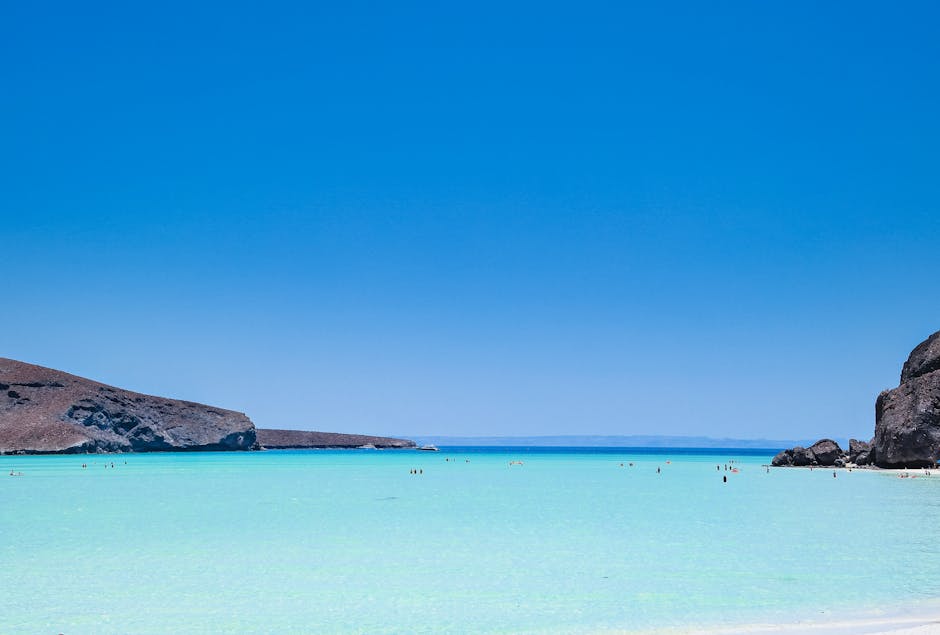
4. Agios Sostis and Fokos – wild coves for a more intimate experience
Address: Agios Sostis Beach, Mykonos-Agios Sostis Road, 846 00 Mykonos (northwest area); Fokos Beach, Mykonos-Fokos Road, 846 00 Mykonos (just northeast of Agios Sostis). Agios Sostis coords: 37.4550, 25.2770; Fokos: 37.4600, 25.2800.
Access times: natural beaches accessible 24/7; no services on site (no permanent snack bars — check seasonal openings of local cafés).
Prices and services: free or nominal parking depending on spot (often €0–5); no formal rentals — bring your own gear or rent in Mykonos Chora/Platis Gialos (transfer needed). Private excursions from Ornos/Chora: €60–120 per person depending on duration.
Description: Agios Sostis and Fokos are wild, undeveloped beaches prized for their calm and preserved seabeds. The water is clear and shallow for long stretches, ideal for spotting schools of mullet and small rock-hugging fish. Offshore rock formations create channels where fish and cephalopods pass through. The lack of crowds and infrastructure makes these spots perfect for a more contemplative, nature-focused initiation.
Local tips: bring plenty of water and snacks; protect yourself from the sun (there’s little shade). If snorkeling alone, tell someone on the beach where you’re heading for safety. Take a waterproof bag for keys and phone, and avoid non-biodegradable sunscreen which can harm coastal habitats.
Schools, rentals and excursions: addresses, prices and practical hours
Learning with a pro makes the introduction smoother and increases both safety and enjoyment. Here are the types of providers to look for, with recommended times, typical rates and general places where you’ll find these services on Mykonos.
Dive centers and schools: most schools along the south coast (Platis Gialos, Ornos, Psarou) offer “Discover Snorkeling” or “Intro to Snorkel” sessions of 45–90 minutes with equipment included. Prices: €30–90 per person depending on the format (private or group). Typical times: sessions often run at 09:00, 11:00, 15:00 and 17:00 in high season. Places to inquire:
- Platis Gialos beachfront (stands and clubs) — main rental hub, open 08:00–20:00.
- Ornos Bay front — many rental shops open 09:00–19:00.
- Kalafatis main pier — schools and water centers, generally open 08:30–18:00.
Independent rentals: if you prefer to explore solo, you’ll find quality masks, snorkels and fins in beach shops and sports stores in Chora (Mykonos town) and Platis Gialos. Prices to buy: good masks €20–60; snorkels €8–20; fins €15–40. Renting is often cheaper for a half-day (€8–20).
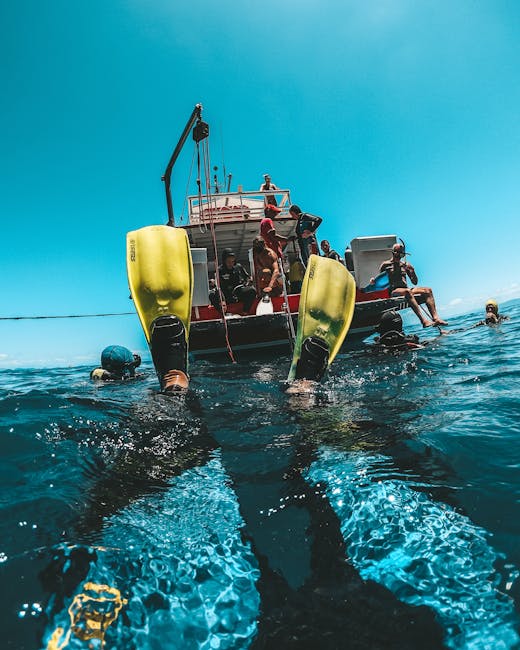
Boat trips: to reach secluded coves or richer snorkeling spots, half-day or full-day boat trips depart from the new Tourlos marina, Ornos or Platis Gialos. Prices: €45–150 per person depending on duration and inclusions (gear, drinks). Typical departures: morning departures 08:30–10:00, returns 13:00–17:00. Useful boarding address: Tourlos Port, Tourlos Bay, 846 00 Mykonos — most organized trips embark here.
Practical tips: book early for July–August, compare reviews and choose small groups if you want a hands-on experience. Make sure the school provides suits if the water feels cool (May/June/September). Confirm the instructors speak a language you understand and that safety gear is available (positioning buoys, VHF radio, first-aid kit).
Local practical tips for a successful, responsible introduction
Practical, locally-tested tips to get the most out of your first snorkeling experience on Mykonos while protecting the environment:
- Best times: Early morning (07:00–10:00) and late afternoon (16:00–18:30) offer the best light and usually calmer seas. Avoid peak beach times (11:00–15:00) at popular spots.
- Gear: choose a mask with a soft skirt for a good seal, a simple snorkel, short fins for better maneuverability, and a snorkeling vest if you’re not confident. Bring a whistle and a signaling buoy if you’re going solo.
- Safety: swim parallel to the shore, don’t go past navigation buoys, tell someone on the beach your plan. Keep an eye on local weather — the meltemi can pick up quickly.
- Respect marine life: don’t touch rocks or Posidonia meadows; don’t catch or harass animals. Meadows are nurseries for many species and are protected. Avoid non-biodegradable sunscreen; wear a UV shirt and a hat instead.
- Underwater photography: use a compact waterproof camera or a smartphone housing with a strap; shoot wide to capture schools and rock formations. Morning golden light is perfect for shots.
- Food and hydration: bring water and a snack — Mykonos can be hot and windy. Local tavernas (e.g. “Kiki’s Tavern” near Agios Sostis — check seasonal opening) are great for a post-snorkel meal but watch opening hours (often 12:30–22:00).
Quick reference: addresses, prices and essential opening times
To help plan your trip, here’s a compact practical recap of the places and prices mentioned:
- Platis Gialos Beach — Platis Gialos, 846 00 Mykonos. Rentals 08:00–20:00. Gear rental €8–18 half-day. Roadside parking €2–4 / h.
- Agios Ioannis Beach — Mykonos-Ano Mera Road, 846 00 Mykonos. Cafés 09:00–23:00. Rentals €10–20 half-day.
- Kalo Livadi and Kalafatis — Mykonos-Kalo Livadi / Kalafatis Roads, 846 00 Mykonos. Schools 08:30–19:00. Rentals €10–18, trips €45–90.
- Agios Sostis / Fokos — Northwest of the island, 846 00 Mykonos. Wild sites, few services. Parking free/€0–5.
- Tourlos Port (boarding) — Tourlos Bay, 846 00 Mykonos. Boat trips depart 08:30–10:00. Trip prices €45–150.
Note: prices are indicative and vary by season (higher in July–August) and by provider. Book gear or guided sessions in advance for July and August.
Conclusion
Mykonos offers beginner snorkelers an excellent learning ground: clear waters, easy access to varied beaches and a host of competent local operators. Whether you choose the lively atmosphere of Platis Gialos, the tranquility of Agios Sostis or the authentic eastern bays like Kalafatis and Kalo Livadi, you’ll find seabeds rich in Mediterranean biodiversity and perfectly suited to learning.
By planning your outing — picking calm morning hours, focusing on rocky zones close to shore to spot sea bream and octopus, and renting the right gear — you’ll maximize your chances of a memorable wildlife encounter. The beaches and coves described strike a good balance between accessibility and ecological variety: Posidonia meadows, sponge-covered rock shelves and small caves where the most interesting species hide.
Remember that snorkeling is as much about responsibility as it is about fun: respect protected areas, don’t take anything, avoid trampling Posidonia and use reef-friendly sun protection. If in doubt, pick a guided trip — a local guide will show you where fish are easiest to see without disturbing their habitat. With a little preparation and common sense, your first snorkeling experience on Mykonos will be spectacular and sustainable, leaving you with intimate, respectful memories of the island’s underwater worlds.
Prep your mask, take a deep breath and let Mykonos’ waters reveal their colorful secrets: a first encounter with these small underwater worlds is often the start of a lifelong love for the sea.