




Introduction — Kythnos off the beaten path: a Mykonos-day escape to hot springs and empty beaches
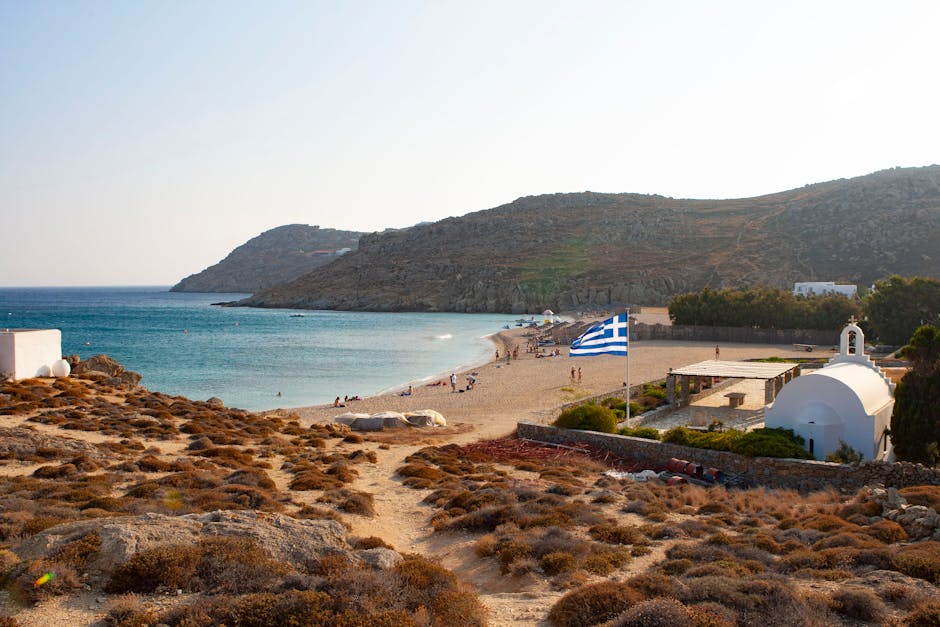
Kythnos, a low-key Cycladic island just a short hop from Mykonos, is often described as the wilder, more authentic sister to its flashier neighbors. For travelers based in Mykonos looking for a day trip or a short break away from the crowds, Kythnos delivers a rare combo: natural hot springs in Loutra, near-empty beaches like Kolona and Apokrousi, traditional stone villages and a slow pace that’s ideal for unplugging. Unlike Mykonos, known for nightlife and upscale tourism, Kythnos retains a rural, maritime vibe — perfect for hikers, sea lovers and anyone curious about thermal waters.
Getting there from Mykonos is straightforward and doable as a half-day trip or a multi-night stay: regular ferries link Mykonos with Merichas (Kythnos’s main port) and, in high season, some services stop directly at Loutra. Once ashore, the island’s gentle hills and sheltered coves invite exploration on foot, by scooter or with a rental car. Kythnos is prized for its clear water, timeless fishing harbors and the preservation of island life that hasn’t been homogenized by mass tourism.
This practical, professionally written guide gives you the nuts and bolts (addresses, opening hours, prices in euros), immersive descriptions of the island’s highlights, and local tips to make the most of a wild escape from Mykonos. You’ll find directions to the Loutra hot springs, information on deserted beaches like Kolona and Apokrousi, profiles of signature villages such as Chora and Dryopida, plus logistical advice on ferries, vehicle rental and the best times to visit.
Before you go, remember that Kythnos is still an island with limited services off-season: some restaurants and services (car rentals, local buses) may operate reduced hours. This article includes price ranges and typical opening times, but you should double-check availability and schedules ahead of time — especially if you plan to visit in May–June or late September–October, when the weather is ideal but services are thinner. Pack sturdy walking shoes, reliable sunscreen and a good map to enjoy the coastal trails and little roads that give Kythnos its charm.
1) Getting there from Mykonos: ferries, schedules and practical fares
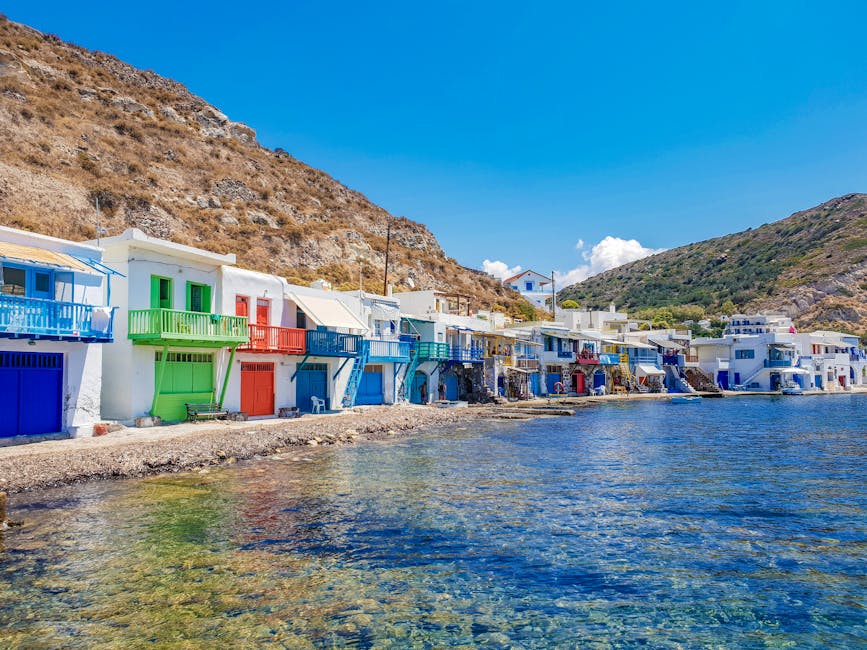
The main way to reach Kythnos from Mykonos is by sea. Ferries leave from Mykonos Port (Mykonos Port, Chora, 846 00 Mykonos, Greece). Frequent operators include Hellenic Seaways and Blue Star Ferries in summer, along with local companies that run fast connections (catamarans). Timetables change with the season: in high season (June–September) you can expect 1–3 departures per day, while frequencies drop significantly in low season.
Indicative prices (subject to change):
- Conventional ferry Mykonos – Merichas (Kythnos): €16–€28 per trip (standard seat).
- High-speed/catamaran Mykonos – Merichas: €24–€40 per trip (reserved seat).
- Child/youth discounts and return offers: often available — check when booking.
Tickets can be bought online via the ferry companies’ official sites or at port ticket offices on the day, but booking in July–August is highly recommended. Crossing times vary from about 40 minutes (fast ferry) to 1h30 (conventional ferry), depending on the vessel.
Arrival: ferries generally dock at Merichas Port (Merichas Port, 840 08 Kythnos, Greece). From Merichas, Loutra is roughly a 15-minute drive (or 25–35 minutes by bus, depending on the schedule). If you prefer to disembark directly in Loutra during summer, some catamarans call at the thermal village (Loutra, 840 07 Kythnos, Greece), but this depends on the route and the season.
Local tips: arrive at Mykonos port at least 30–45 minutes before departure during high season. If you’re traveling with a vehicle, always book a car space on the ferry (vehicle fees usually add about +€40 to +€90 depending on size and type of ferry). Kythnos’s local buses (KTEL Kythnos) connect Merichas with the main villages — check timetables since services are reduced off-season (bus fares roughly €2–€4 per trip).
2) Loutra: hot springs, balneotherapy and sea bathing
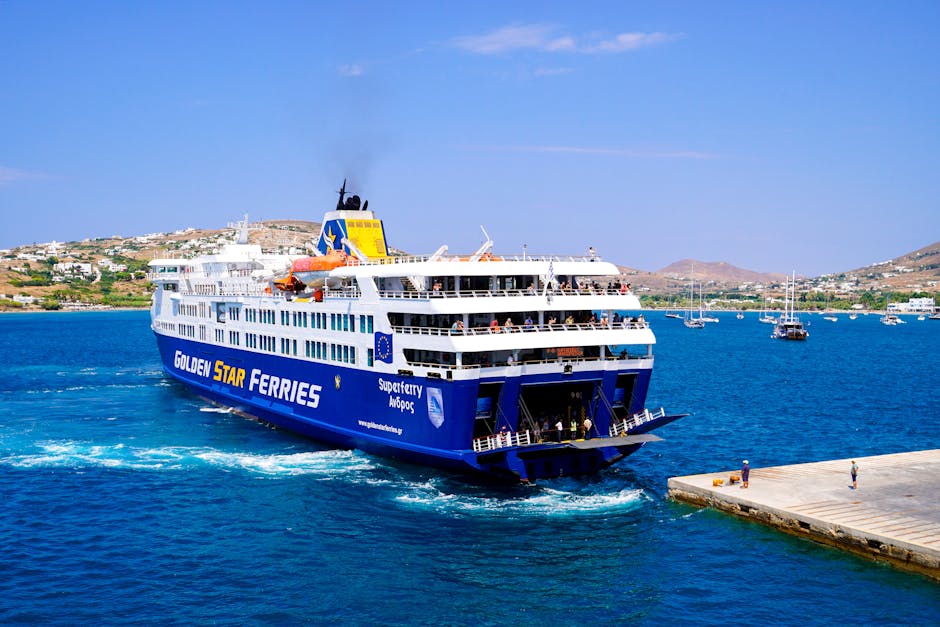
Loutra (Loutra, 840 07 Kythnos, Greece) is the island’s thermal center. The spot combines natural sulphur springs with a small, picturesque harbor lined with tavernas and cafés. These springs have been prized since antiquity for their therapeutic properties: warm mineral-rich waters said to help skin and joint ailments.
Site layout and access:
- General address: Loutra, 840 07 Kythnos, Greece.
- Driving from Merichas: 12–15 km, roughly a 15-minute drive.
- Parking: public parking spaces, free or paid depending on season (often free off-season).
The springs are often accessible for free in their natural state; however, the island also offers developed facilities (small pools and changing cabins) run locally. In 2026, expect to pay about €5–€15 for entry to a public pool or a short thermal session, depending on services. Some places offer massages and treatments on request (around €30–€70 depending on duration).
Opening hours and best times: natural springs are available all day, but private thermal facilities typically operate on restricted hours, commonly 08:00–20:00 in high season. For a quieter experience, aim for early morning (08:00–10:00) or late afternoon (17:00–19:30).
A sensory description: picture a sheltered cove where the faint scent of sulphur mixes with the sea breeze, warm pools flowing over smooth rocks polished by time. Quaint harbor tavernas serve fresh fish and simple Cycladic dishes — grilled calamari, dakos and a Greek salad with a glass of local assyrtiko make a perfect post-soak lunch.
Local tips: bring a towel and water shoes for rocky pools, avoid metal jewelry if you plan to bathe in sulphur waters (it can tarnish), and ask locals for tips on lesser-known natural spots around the harbor.
3) Empty beaches: Kolona, Apokrousi and secret coves
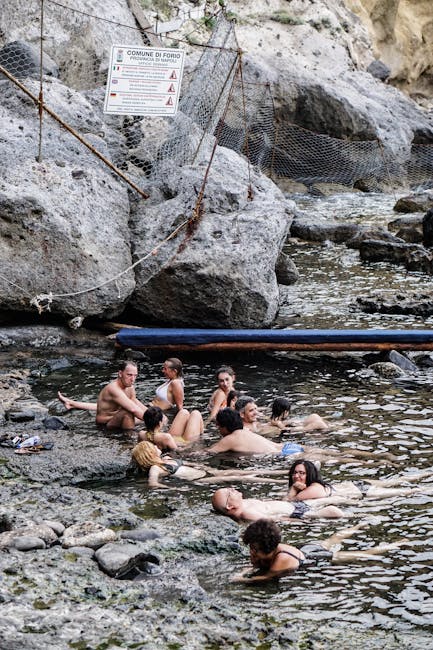
Kythnos is known for beaches that often remain quiet even in summer — its coastline creates many sheltered coves where you can find solitude and crystal-clear water. Two of the standouts are Kolona and Apokrousi.
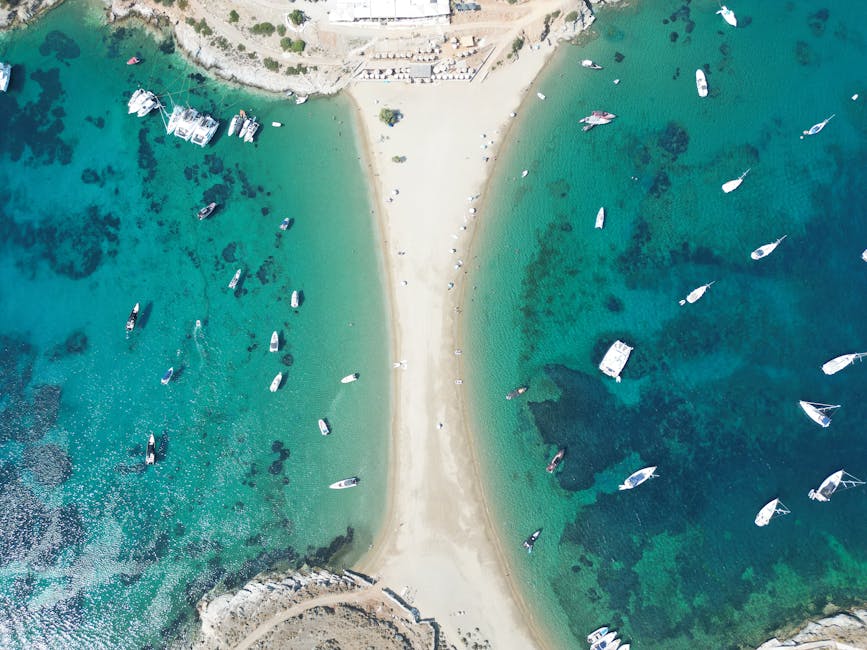
Kolona Beach (Kolona, 840 07 Kythnos, Greece) is famous for the sandbar that connects the main island to a small neighboring islet, creating twin bays of turquoise water. Access is via the coastal road from Loutra or Chora; parking is nearby but limited. The beach has fine golden sand and shallow waters, ideal for families and landscape photos. Kolona is reachable by car or on foot from the official parking; there is no entry fee. Seasonal tavernas nearby typically open 11:00–23:00 in high season.
Apokrousi (Apokrousi, South Kythnos coastline, 840 07 Kythnos, Greece) is a wilder beach, often reached by hiking or by boat from Merichas/Loutra. Its waters are a deep blue and the seabed is good for snorkeling. Because there are no facilities you should bring water, food, a sunshade and be prepared to be self-sufficient. The approach walk takes 20–45 minutes depending on the route.
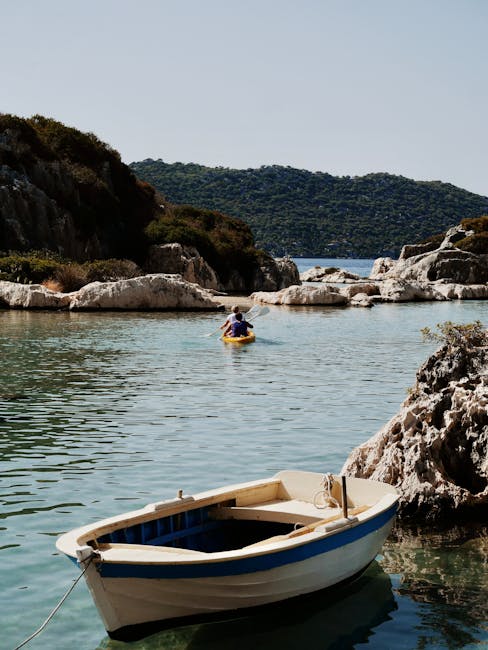
Secret coves: Kythnos’s west coast hides small inlets like South Kolona bay, Kalo Ampeli and Lenyro, often unnamed but beloved by locals. To reach them, consider a small boat or ask a Merichas taverna about kayak rental options (approximate price €20–€40 for a half-day single kayak).
Beach tips:
- Bring plenty of water and snacks for undeveloped beaches.
- Use reef-safe sunscreen and a bag to take your trash with you: Kythnos is mindful about protecting its coast.
- Respect local rules on wild camping (often prohibited) and open fires (banned in summer to prevent wildfires).
At the end of the day, Kolona’s sunset colors are spectacular, offering postcard-worthy panoramas without Mykonos’s crowds.
4) Villages, local culture and practical tips for staying
Chora Kythnos (Chora, 840 08 Kythnos, Greece) and Dryopida (Dryopida, 840 08 Kythnos, Greece) are the two villages that reveal the island’s soul. Chora sits perched with whitewashed alleys, Byzantine churches, cafés and a handful of craft shops. Dryopida offers a maze of paved streets, stone houses and an interesting folklore museum that helps explain traditional island life.
Must-see addresses and spots:
- Panagia Kanala — Church of Panagia Kanala, Kanala Bay, 840 08 Kythnos, Greece. A much-visited sanctuary during local festivals (major celebration on August 15).
- Kythnos Folklore Museum — Dryopida, central square, Dryopida, 840 08 Kythnos, Greece (hours vary, usually 10:00–14:00 in high season; entrance €3–€5).
- Merichas Harbour — Main square, Merichas Port, 840 08 Kythnos, Greece: the logistical hub with restaurants, mini-markets and rental agencies.
Accommodation and dining: Kythnos offers family-run guesthouses, studios and a few small hotels. Expect reasonable rates: a double room in season typically costs €55–€120/night depending on comfort and proximity to the port. Local tavernas serve home-style dishes: fish plates €10–€18, mezzes €6–€12, a Greek salad €6–€9.
Transport and rentals: to explore the island a scooter (approx. €20–€35/day) or a car (€40–€70/day) is handy. Rental companies are centered in Merichas and Loutra — book ahead in high season. Interior tracks can be unpaved: choose an appropriate vehicle if you plan to visit remote coves.
Final local tips: respect local siesta hours (some shops close 14:00–17:30), buy and use local products (goat cheeses, honey) to support the island economy, and if you can, attend a church service or a local feast for an authentic cultural experience. Locals are generally welcoming and proud of their island — a simple Greek greeting (« Kalimera » in the morning) or « Efharisto » to say thanks is always appreciated.
Conclusion — Why choose Kythnos for a wild escape from Mykonos
Kythnos is an excellent choice for anyone wanting to get away from Mykonos’s buzz without sacrificing gorgeous coastline and crystalline waters. Between Loutra’s soothing thermal springs, picture-perfect empty beaches like Kolona and Apokrousi, and authentic villages such as Chora and Dryopida, the island strikes a rare balance of relaxation, nature and island culture.
Practically speaking, the trip from Mykonos is simple: plan for 40 minutes to 1h30 by ferry depending on the boat, travel light if you intend to enjoy wild coves, and book transport and accommodation in high season. The prices quoted in this guide (ferries €16–€40, scooter rental €20–€35/day, rooms €55–€120/night, museum entry €3–€5, thermal treatments €5–€15) are realistic benchmarks, but always confirm online before you travel.
From an experiential perspective, Kythnos rewards patient, respectful travelers: the best discoveries come on foot, by renting a kayak to reach isolated coves, or by chatting with a fisherman at the harbor at sunset. The unusual pairing of natural hot springs and sparsely visited beaches makes Kythnos a versatile island — ideal for a thermal day trip from Mykonos, a romantic weekend or a slow-travel stay that values quality over quantity.
Finally, remember that Kythnos lives to the rhythm of its seasons and residents: by respecting local customs (opening hours, environmental protection, supporting local businesses) you’ll help preserve the island’s wild and welcoming character. Whether you leave Mykonos for a day of thermal baths or several days of coastal hiking, Kythnos promises authentic memories, unspoiled seascapes and the simple pleasures of a Greece that’s still largely intact.