





Introduction — Mystical Delos: the archaeological cruise from Mykonos
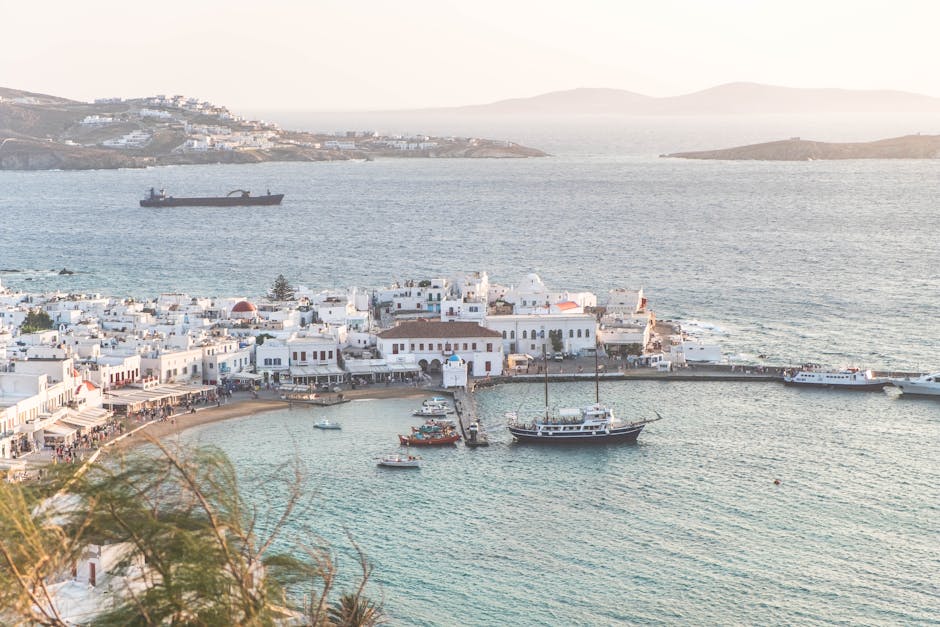
Off the shores of Mykonos in the Cyclades lies a small island that has drawn travelers, traders and pilgrims for millennia: Delos. In antiquity it was revered as the sacred birthplace of Apollo and Artemis, and this rocky islet packs an extraordinary concentration of archaeological remains and landscapes that stir the imagination. Taking an archaeological cruise from Mykonos to Delos is a voyage through time — every stone, mosaic and stele tells a story of faith, commerce and art. The boat ride, whether on a public shuttle, a guided tour or a private vessel, prepares you for a change of scale: from Mykonos’s lively white-washed lanes to Delos’s dry light and silent ruins.
This experience is first and foremost sensory: the steady sound of the waves, the salty air announcing the approach to the islet, the mineral hues of the ruins under an often merciless sun, and the contrast of still-vibrant mosaics in the House of Dionysus. Visiting the archaeological site, often paired with the Archaeological Museum of Delos, requires some planning and respect: marked paths, conservation rules and strict opening hours. The site’s wealth — residential quarters, sanctuaries, colonnades, shops and cemeteries — makes it clear why Delos was a major economic and religious crossroads in the ancient Greek world.
From Mykonos most cruises depart from the Old Port (Old Port) or Tourlos harbor. Local operators offer a range of options: half-day or full-day guided tours, return transfers with entrance fees included, or private sailing trips. Prices in 2024 ranged roughly from €20 to €60 per person for group excursions (round trip), while hiring a private boat can climb from €200 to several thousand euros depending on size and duration. The entrance fee to the archaeological site and museum is typically around €12 full price (reduced €6 for students/young people/certain categories) — note these rates can change, so it’s wise to check before you go.
This guide will walk you step by step: how to reach Delos from Mykonos, the must-sees on the site (Terrace of the Lions, Temple of Apollo, House of Dionysus, the Agora, the Nymphaeum), practical schedules (departures and opening hours), useful addresses, tips for photographing the remains without harming them, and recommendations to make the most of your archaeological cruise. Whether you’re a history buff, an amateur photographer or simply an island lover, the trip from Mykonos to Delos promises an intense, educational and deeply memorable day.
How to get to Delos from Mykonos: ports, timetables and prices
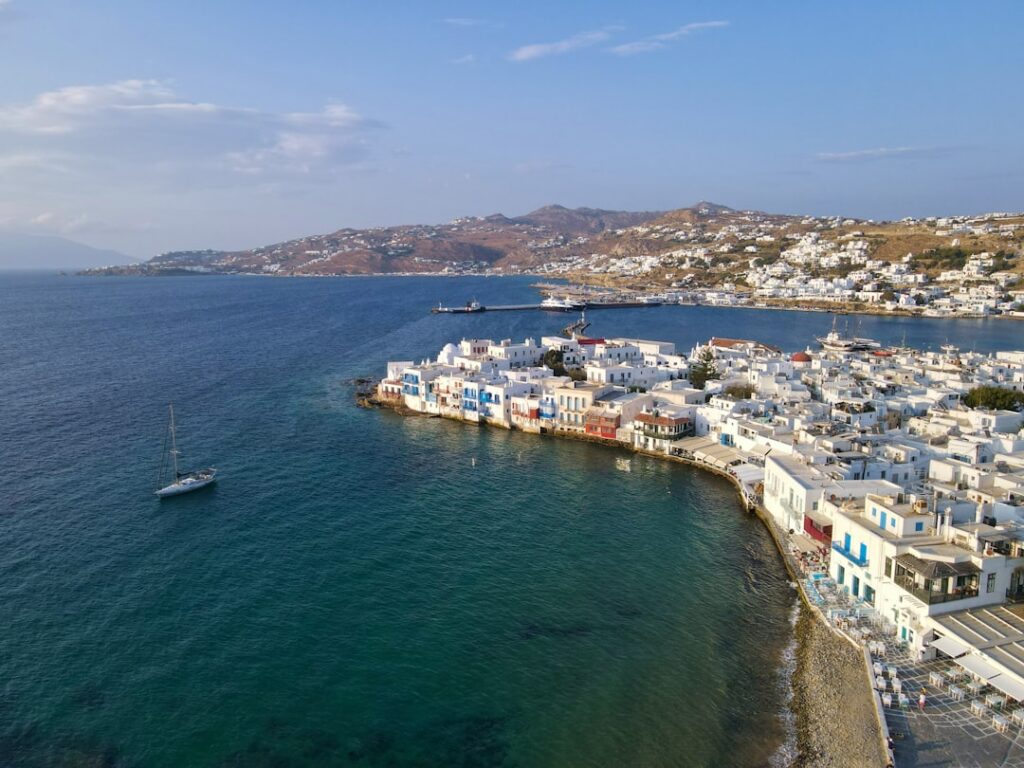
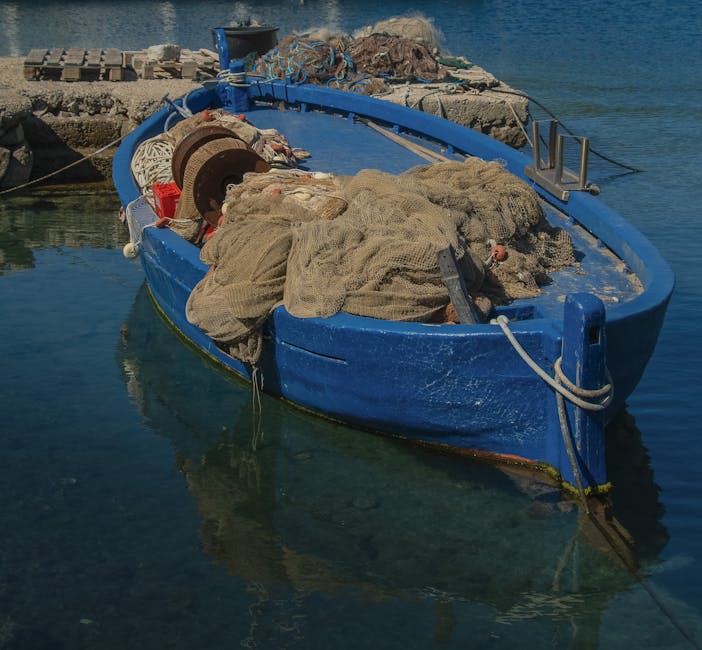
Departures to Delos mainly leave from two points in Mykonos: the Old Port (Old Port / Chora) and Tourlos harbor. Practical address for the main departure: Old Port (Chora), Mykonos Town, 846 00 Mykonos, Greece. For Tourlos port: Tourlos Port, Tourlos 846 00, Mykonos, Greece. The crossing is short — usually between 25 and 40 minutes depending on the vessel and operator.
Public and private boats run frequently during high season (May to September). Typically shuttles leave in the morning between 08:30 and 10:30 and return between 13:00 and 17:00, sometimes later depending on the option. Half-day guided tours often depart at 09:00 with a return around 13:00, while full-day options extend the visit until 16:00–17:00.
Indicative prices (2024):
- Return shuttle from Mykonos: about €20 – €25 per person.
- Guided excursion with site entrance: €35 – €60 per person depending on length and guide.
- Semi-private or private hire (motorboat or sailboat): from €200 minimum, often between €400 and €1,500 for a day depending on season and capacity.
- Entrance ticket to the archaeological site of Delos: €12 full price, €6 reduced (students, seniors with proof).
Practical tips:
- Book in advance during high season, especially if you want a guide in a specific language or an early departure.
- Arrive at the port 30 minutes before boarding — boats leave on time and won’t wait for latecomers.
- Check the weather conditions: the crossing is short but can be rough in strong winds (the meltemi in summer).
Detailed visit of the archaeological site of Delos: monuments, addresses and opening hours
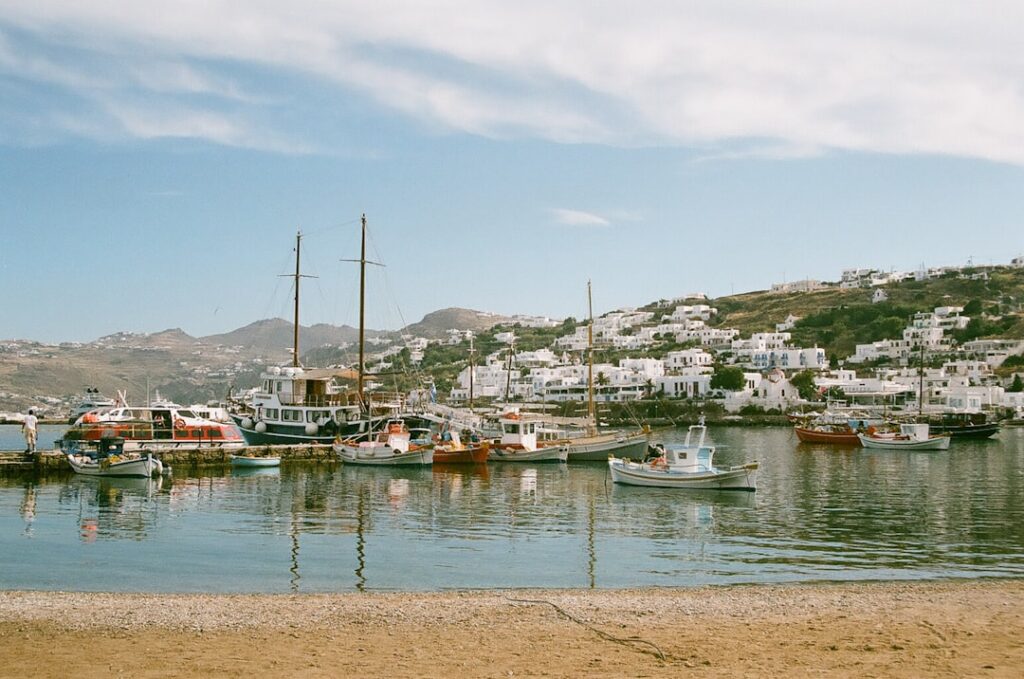
The islet of Delos doesn’t have a conventional postal address, but practical visitor information is: Archaeological Site of Delos, Delos Island, Cyclades, Greece. The site is managed by the Ephorate of Antiquities of the Cyclades. Hours vary by season: generally the archaeological site opens at 08:00 and closes between 15:00 (low season) and 19:30 (high season). The Archaeological Museum of Delos, located near the landing area, usually opens from 08:00 to 15:30 in low season and until 16:30–18:00 in summer. Always check updated times on the official site or with your operator.
Highlights on the site:
- Terrace of the Lions (Front of the Terrace of the Lions) — A group of marble lion statues dedicated to the sanctuary of Apollo. Approximate coordinates: 37.4108° N, 25.2660° E. Why visit: symbolic significance and a key orientation point on the site.
- Temple of Apollo (Sanctuary of Apollo) — The ruins of the main sanctuary where rites and oracles were held. Architecture and inscription fragments are still visible.
- House of Dionysus (House of Dionysus) — Located in the northeastern sector of the site, famous for its polychrome mosaics depicting mythological and marine scenes.
- Commercial and Residential Quarters (Agora of the Companions) — Remains of warehouses, shops and houses that tell the story of daily life and maritime trade.
- Terrace of the Naxians (Sanctuary area) — Massive bases of votive statues, evidence of civic devotion from entire cities.
Prices and tickets: The standard entrance to the archaeological site often includes access to the Archaeological Museum of Delos. Full price: €12. Reduced: €6 for students or specified categories. Tickets are sold at the island’s ticket office or included in organized tours. Local licensed guides can offer in-depth visits (extra fee usually included in the tour price).
Visiting tips:
- Wear closed, non-slip shoes: the ground is uneven, rocky and can be very hot.
- Bring water, a hat and sunscreen: shade is scarce on Delos.
- Respect restricted areas: don’t walk on mosaics, don’t touch sculptures and don’t use flash photography where prohibited.
- Allow at least 2 to 3 hours for a full visit of the site and museum if you’re enthusiastic about archaeology.
Archaeological Museum of Delos and other finds: addresses, collections and recommendations
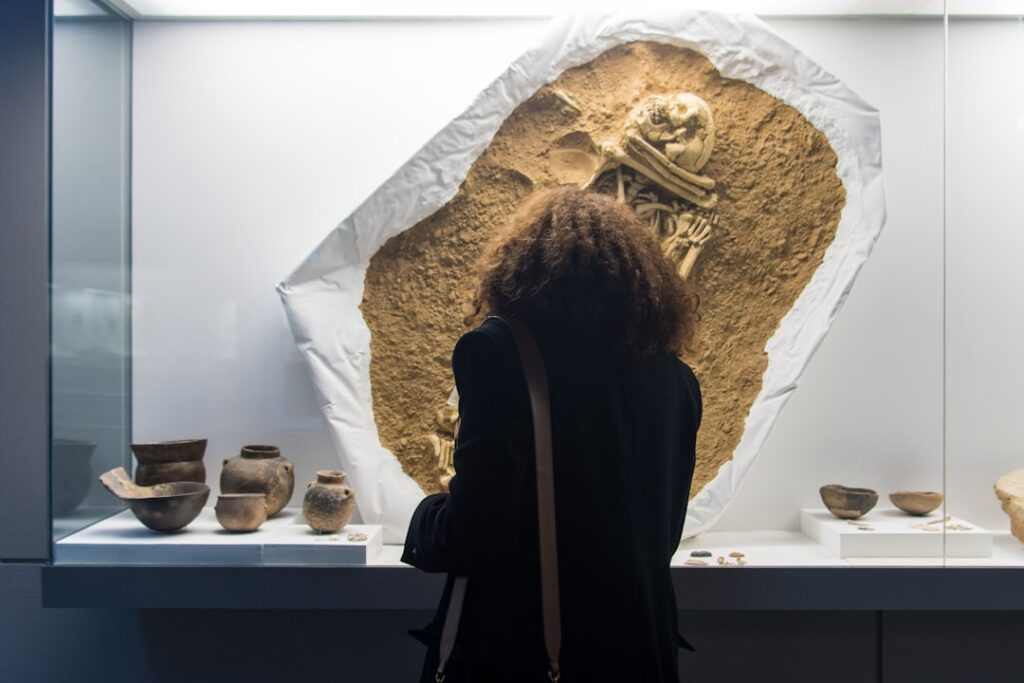
One of the major attractions after touring the site is the Archaeological Museum of Delos, a few minutes from the landing area on the island. Practical address: Archaeological Museum of Delos, Delos Island, Cyclades (no standard municipal postal address). Typical hours: opening at 08:00, closing between 15:30 and 18:00 depending on the season. Fees: often included in a combined site+museum ticket, otherwise expect €3 – €6 if sold separately in some packages.
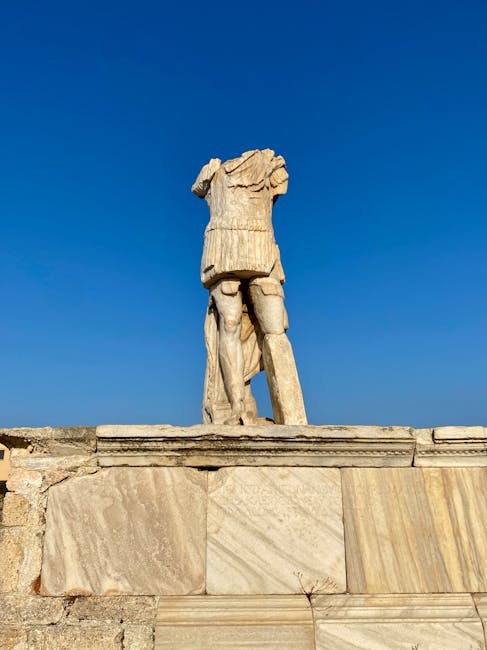
The museum houses a remarkable collection of objects uncovered during excavations: fragmentary sculptures, reliefs, funerary steles, jewelry, tools and amphorae. Key pieces include:
- Fragments of kouroi and korai — archaic marble statues.
- Votive reliefs from the Sanctuary of Apollo.
- Mosaics and furnishings from aristocratic houses like the House of Dionysus.
- Everyday and seafaring objects (amphorae, anchors, fishhooks) illustrating Delos’s commercial importance.
Recommendations to get the most from the museum:
- Visit the museum before or after the site to place finds in context: seeing objects in situ and then the pieces moved to the museum helps understanding.
- Ask for audio guides or brochures: several languages are often available, but availability varies.
- Follow photography rules: some items ban flash and certain displays are labeled “no photography.”
Local practical tips for a successful archaeological cruise
Preparing a trip to Delos takes a bit of organization to make the day efficient and respectful of the heritage. Here are concrete tips gathered from local experience:
Transport and bookings:
- Book your boat tickets the day before in high season, especially if you want an early departure. Agencies on Matogiannia Street (Mykonos Town) offer reservations and transfers to the port.
- Favor morning departures to avoid heat and crowds: a departure between 08:30 and 09:30 is ideal.
Equipment and comfort:
- Shoes: sneakers or lightweight boots rather than sandals. The ground is often uneven and slippery.
- Hydration: bring at least 1.5 L of water per person (there are no convenient shops on Delos to refill).
- Sun protection: hat, sunglasses, SPF 30+ sunscreen and possibly a small collapsible sunshade if you have room in your bag.
Respecting the site:
- Do not touch the excavations or sit on the remains.
- Take your rubbish with you: Delos is a protected archaeological site — bring your trash back on the boat or use bins at the landing area.
- Avoid walking off marked paths and follow the instructions of guides and site wardens.
Photography:
- The best times for photos are early morning (soft light, fewer people) and late afternoon (warm tones). Avoid high noon for flat, high-contrast shots.
- For mosaic details or inscriptions, get close without touching and use a macro lens if possible.
- Respect drone bans: Delos is often subject to restrictions to protect the excavations and the site’s tranquility.
Conclusion — Between history and sea: why Delos from Mykonos is a must
The archaeological cruise to Delos from Mykonos is more than an optional island excursion: it’s an immersion in a place where antiquity still feels present. The ruins, the museum and the seascape come together to tell a full story of Mediterranean history — trade, religion, art and everyday life. From bustling Mykonos harbor to Delos’s sun-warmed stones, the contrast is striking and rewarding. Practically speaking, the visit requires a bit of preparation: book tickets, head out early, bring water and sturdy shoes, and follow site rules to help preserve these treasures for future generations.
Logistically, Mykonos is an excellent starting point: air access, maritime connections and a developed tourist offer let you tailor the visit to your budget and preferences — guided tour, simple shuttle or private cruise. For archaeology enthusiasts, spending several hours deciphering the remains and studying museum objects is a privilege; for photographers and landscape lovers, Delos’s light and perspectives produce unforgettable images. Finally, the island’s sacred and mythological dimension — as the birthplace of Apollo and Artemis — adds an emotional layer to the visit: you walk in places that were central to ceremonial and cosmopolitan life for centuries.
Before you go, check updated opening times and prices, book if needed, and familiarize yourself with local rules. By respecting the site and preparing well, you’ll turn a simple boat trip into a deep, enlightening and image-rich day. Delos from Mykonos remains an unmissable experience for anyone who wants to combine Cycladic island pleasure with the grandeur of Mediterranean history.