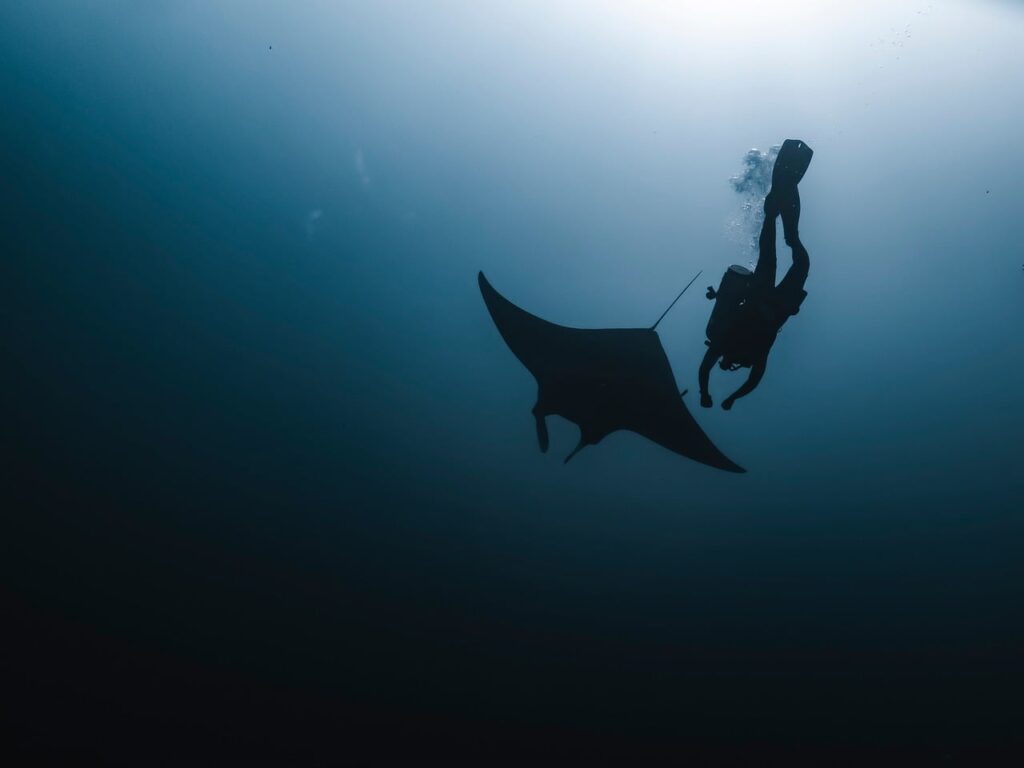
Introduction: Night Diving in Mykonos — Up-Close Encounters with Mysterious Marine Life
Night diving delivers a completely different sensory experience compared with daytime dives: colors shift, silhouettes move differently, predators and nocturnal creatures wake up, and the sea becomes a stage for unexpected behaviors. On Mykonos, the iconic Cycladic island, night dives combine the Aegean’s typical water clarity with varied underwater terrain — sheer walls, seagrass meadows, wrecks and caves — that host shy but abundant marine life. This article is a full, practical and immersive guide for advanced divers or beginners accompanied by a guide who want to seek out nocturnal species around Mykonos.
Mykonos’ coastline includes dive sites suitable for night dives near several well-known beaches and coves: Agios Stefanos (Agios Stefanos Beach, Agios Stefanos, 846 00 Mykonos), Ornos (Ornos Beach, Ornos, 846 00 Mykonos) and Tourlos (Tourlos Port, Tourlos, 846 00 Mykonos). These areas offer quick boat access and allow late departures without long passages at sea. Night dives are often run by local centers that manage safety, provide proper lighting and give detailed briefings on site topography and possible wildlife.
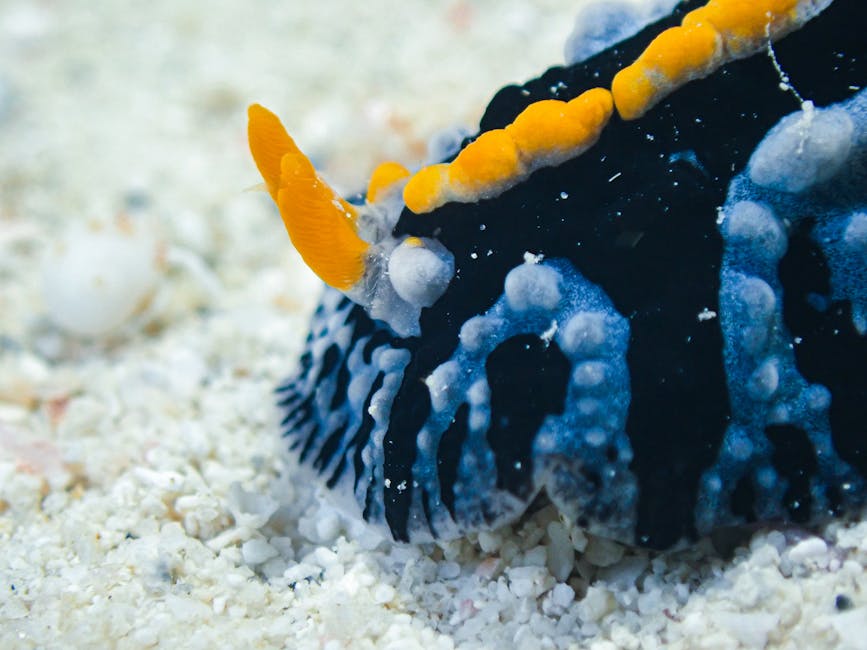
Why dive at night around Mykonos? First, for the unique biodiversity: octopus and cuttlefish actively hunting, crustaceans (spiny lobsters, shrimp) coming out of hiding, nocturnal reef fish (groupers, juvenile groupers), conger eels patrolling walls, nudibranchs with fluorescent patterns, and schools of fish taking advantage of the calm to cluster. And then for the atmosphere: a headlamp sweeping across a dark seagrass bed, halos of light inside an underwater cave, or discovering a wreck by beam — everything contributes to a theatrical immersion ideal for underwater photography and patient observation.
This guide gives you practical information: how to choose a dive center, meeting addresses and hours, typical prices in euros, detailed descriptions of the most interesting night sites around Mykonos, night-diving safety protocols, recommended gear, local tips to avoid common mistakes, and suggestions for fitting a night dive into your Mykonos trip. Whether you’re an experienced diver or a beginner wanting to try your first night dive with a guide, you’ll find the information here to maximize your safety, comfort and your chances of seeing the mysterious marine life that haunts the Aegean nights.
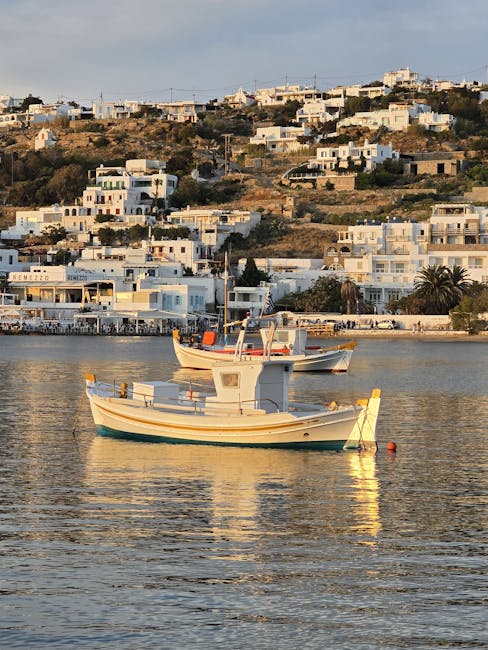
Plan and Book Your Night Dive in Mykonos
Preparation is the key to a successful night dive. On Mykonos, most dive centers require advance booking, often 24 to 48 hours ahead, because groups are limited (usually 4 to 8 divers) and the logistics (boat, lights, briefing) need organizing. Night trips run mainly from May to October, when the weather is stable and water temperatures are comfortable (roughly 20–26 °C depending on the season). In the low season (November to April) trips can be limited or canceled for weather reasons.
Recommended dive centers (examples with contact details and hours):
- Mykonos Diving Center — Port of Tourlos, Tourlos, 846 00 Mykonos, Greece. Phone: +30 2289 022 345. Hours: 08:00–20:00 in high season. Typical price: organized night dive from €70 per person (including boat, guide, light), full equipment rental €30.
- Aegean Divers Mykonos — Ornos Bay, Ornos, 846 00 Mykonos, Greece. Phone: +30 2289 023 456. Hours: 09:00–19:00 (night trips available on request). Typical price: €65–80 for a night trip per person, two-dive package €120.
- Blue Horizon Dive Mykonos — Agios Stefanos Beach, Agios Stefanos, 846 00 Mykonos. Phone: +30 2289 021 789. Hours: 08:30–18:30, night booking required. Typical price: €75 for a night dive, €25 for an extra lamp, €35 to rent a dive computer.
Note on prices: the amounts above are indicative and can vary with the season, whether a photographer is included, dive duration and how much equipment is provided. In general, expect to pay between €60 and €90 for a standard night trip (including boat, weights, guide, light; full gear extra). For certified divers without gear, full rental (regulator, BCD, wetsuit, light) typically costs an additional €30–50.
Typical timing: most night dives start roughly 1.5 to 2 hours after sunset. In Mykonos, sunset time varies widely by season (summer often between 20:30 and 21:30), so expect briefings around 21:00–22:00 for dives starting at about 21:30–22:30. A sample schedule: briefing at the center at 21:00, boat departure at 21:30, entry at 22:00, ascent around 22:45–23:00, return to port around 23:30–00:00.
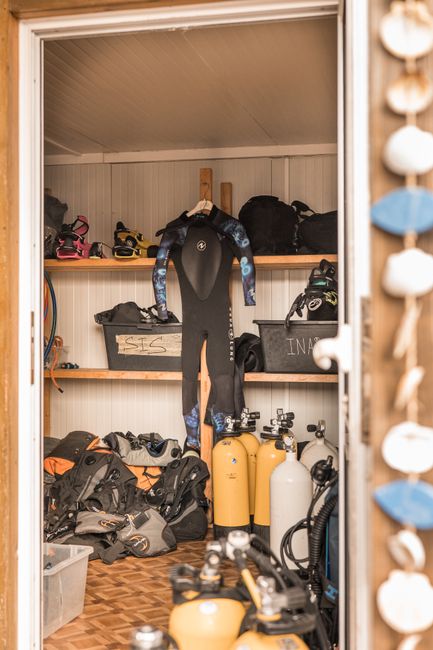
Recommended Night Dive Sites around Mykonos
Mykonos has several spots suited to night diving: rock walls, protected Posidonia meadows, small wrecks and sheltered coves. Here’s a detailed selection with immersive descriptions, access and tips on the wildlife you’re likely to see.
- Agios Stefanos / Agios Stefanos Beach — Agios Stefanos, 846 00 Mykonos. Boat access: 10–20 minutes from Tourlos. Topography: sloping rocky seabed with boulders, small caves and sandy ledges. Wildlife: octopus, conger eels, schools of bogues at night, nudibranchs. Tip: choose a site close to shore for protected visibility and a quick boat return if swell picks up unexpectedly.
- Ornos Bay / Ornos Beach — Ornos, 846 00 Mykonos. Boat access: 10 minutes from Mykonos Town. Topography: mix of sand, Posidonia meadows and rocks. Wildlife: mantis shrimp, spiny lobsters, small groupers, nocturnal angelfish. Tip: explore the edges of the seagrass rather than the heart of the meadow to protect the Posidonia (a protected species).
- Tourlos Port surroundings — Tourlos, 846 00 Mykonos. Access: direct boat departures. Topography: rocky walls, small wrecks and reef pieces. Wildlife: species that take advantage of structures (reef fish, cuttlefish). Tip: favor sites away from port lights to reduce light pollution.
- Delos Channel (Mykonos side) — Departures from Ano Mera bay or Tourlos. Topography: rocky bottoms, underwater canyons between Mykonos and the sacred island of Delos. Wildlife: schools of pelagic fish at night, higher chances of spotting nocturnal predators. Tip: for experienced divers only and sorties via licensed boats — night navigation is more demanding.
Each site behaves differently after dark. For example, in Posidonia meadows near Ornos expect a hushed atmosphere: your beam will pick out small crustaceans and nudibranchs hiding among the leaves while herbivorous fish stay tucked away. On the rocky walls of Agios Stefanos, light creates deep shadows where conger eels and octopuses move slowly, often along the base of the walls. Wrecks and artificial structures attract denser life: a well-aimed beam can startle tight schools of fish, reveal cleaner shrimp in their crevices, and occasionally spot lobsters emerging to feed.
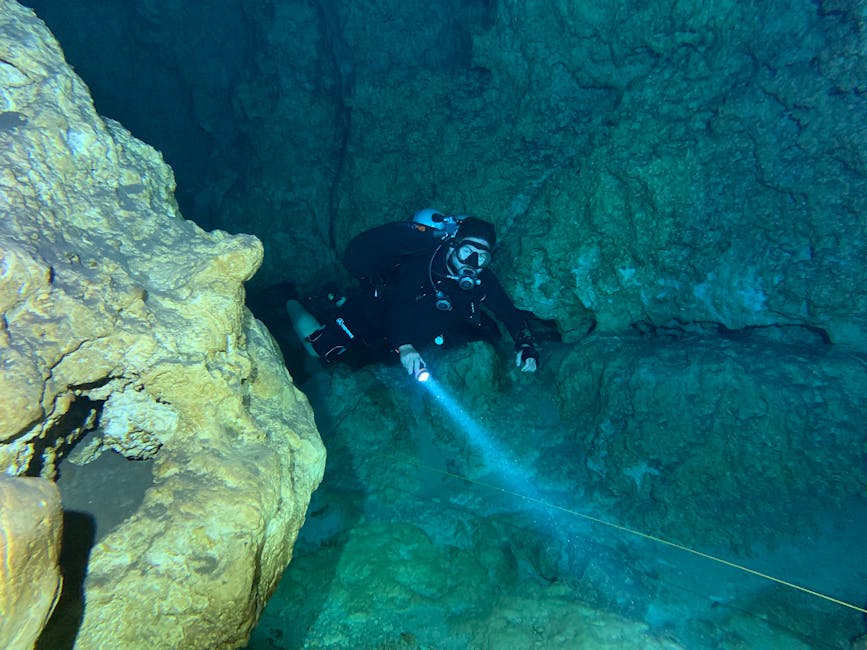
Techniques, Safety and Night-Diving Protocols
Night diving requires extra discipline and preparation. The main risks come from reduced visibility, disorientation and dependence on lights. Here are precise rules and techniques widely used by centers in Mykonos.
1) Briefing and dive plan: Before any trip the guide will run a detailed briefing (topography, planned maximum depth, separation procedure, dive duration, light signals). Insist on knowing visual reference points (buoys, rocks) and the exit plan in case of trouble. A sample exit procedure: keep one hand on the ascent line for a 3-minute safety stop if visibility < 3 m; keep at least 50 bar as a minimum before starting ascent.
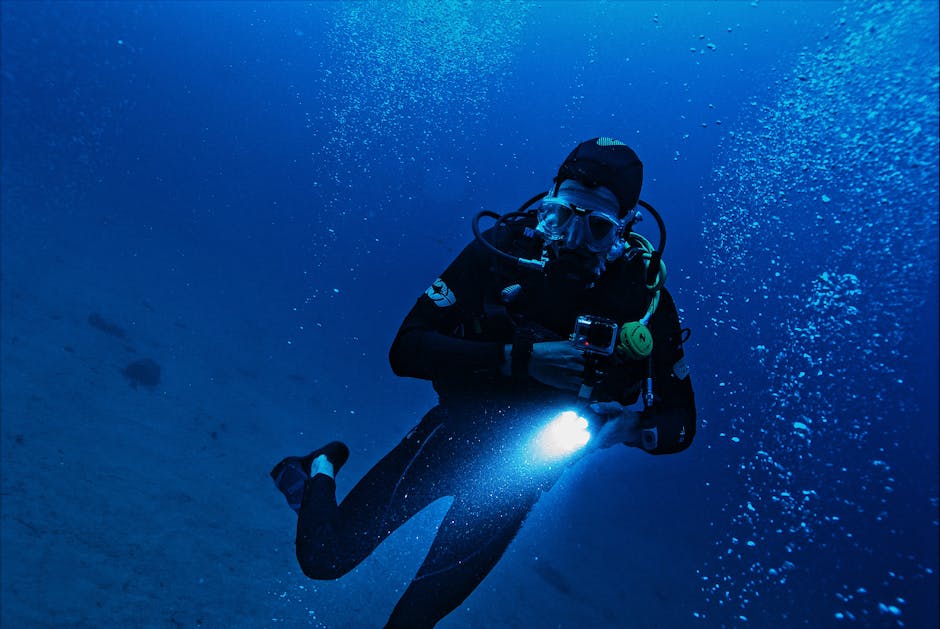
2) Mandatory gear: primary light and backup light per diver; a surface marker buoy (SMB) to mark your position to the boat; a compass and dive computer with alarm; BCD, regulator, appropriate wetsuit (5 mm in May/June, a shorty may suffice in August), extra weights if required by the guide. Local standards: most centers in Mykonos require at least 1 primary light + 1 backup light per diver and recommend a waterproof compass.
3) Navigation technique: use the buddy line mode in very dark areas. Keep your beam angled slightly downward to avoid glare and let your buddy see your light field. Work in small zones: sweep the bottom slowly with your light to find small creatures. If you find sensitive wildlife (octopus, lobster), dim the light gradually to observe without stressing them; animals often respond better to indirect light.
4) Procedure in case of separation: agree on a rendezvous point (e.g., ascend to rock X, stay at 5 m for 60 seconds, then deploy the SMB). The guide toggles his main and backup lights to make identification easier. If you can’t rejoin the group, ascend slowly, deploy the SMB and signal the boat with a whistle and strobe light if available.
5) Health and conditions: night diving is not suitable for divers with photosensitive epilepsy, serious heart conditions or severe disorientation issues. Avoid alcohol in the 24 hours before diving. Always check marine weather: swell can make entry and exit hazardous.
Gear, Photography and Local Tips to Maximize Your Sightings
Choosing the right gear and adopting good practices greatly increase your chances of seeing nocturnal marine life in Mykonos. Here’s a detailed checklist, tips for underwater night photography and recommendations from local guides.
Recommended equipment:
- Lights: a primary lamp (1,000–2,000 lumens for general exploration) and a waterproof backup light. Local guides recommend adjustable-beam lamps. Rental price: €15–25 per lamp depending on the center.
- BCD, regulator, mask, fins and wetsuit: check condition and ask for 5 mm suits in shoulder seasons. Full rental: €30–50.
- Dive computer with safety-stop alarm and waterproof compass: essential. Rental: €20–35.
- SMB and whistle: provided by the center or available to rent.
- Underwater camera: housing with external flash recommended to reduce halo effects and restore realistic colors. Professional photographers charge €80–150 for a dive if you want coverage.
Photo tips: artificial light changes colors at night. Use external flashes to recover natural tones and avoid shining directly into an animal’s eyes. Use a low-intensity main light to find the subject, then briefly flash it with your strobe to shoot. Nudibranchs and small crustaceans demand a slow, calm approach; a focused, low-intensity beam highlights their patterns without frightening them.
Practical local tips (from Mykonos guides):
- Respect the Posidonia: avoid trampling the seagrass and use buoyancy to hover gently above it.
- Don’t chase animals: many species hunt at night; harassing them increases stress and reduces long-term viewing opportunities.
- Dress warmly after the dive: evenings can be chilly even in summer, and a wet suit cools you down quickly. Bring a towel, warm jacket and a hot drink for after the dive.
- Confirm the itinerary and return time with the center: most clubs stow gear and close between 23:00 and 00:30; some centers offer a small post-dive snack or minibar (check if included).
Practical Tips for Fitting a Night Dive into Your Mykonos Trip
Working a night dive into your Mykonos itinerary takes a bit of planning: transport, lodging near the departure point and respecting your nighttime rhythm. Here’s a practical plan and suggestions for nearby services.
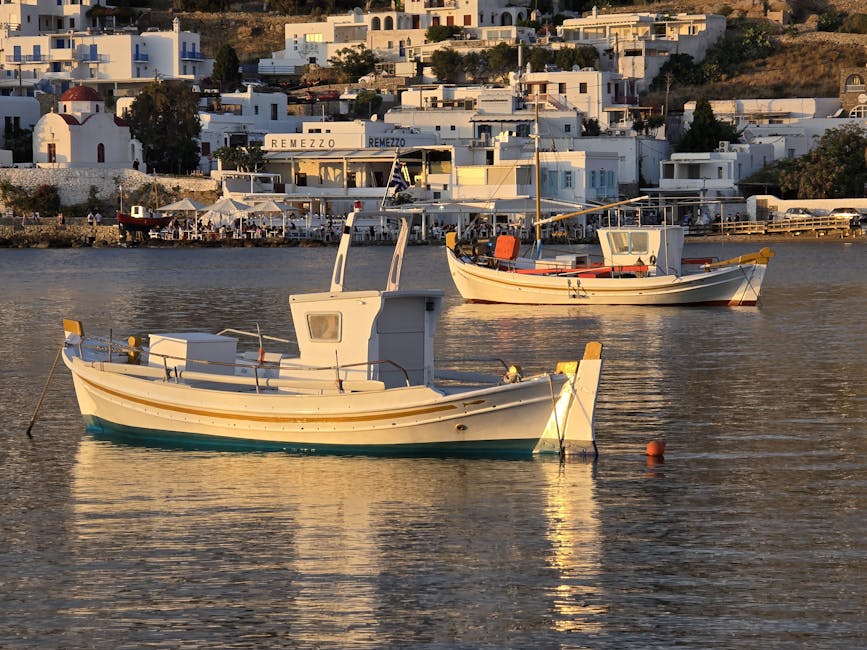
Transport and logistics: most centers operate from Tourlos, Ornos or the port of Mykonos Town (Chora). If you stay in the old town (Chora), allow 10–20 minutes by taxi to Tourlos. Example taxi meeting point: Taxi Rank — Fabrika Square, Mykonos Town, 846 00 Mykonos. Average taxi cost (Chora → Tourlos): €6–12. Centers may offer transfer service included or for a fee (€5–15 per ride).
Recommended accommodation by proximity:
- Saint John Mykonos Hotel — Agios Ioannis, 846 00 Mykonos. Perk: close to Agios Ioannis and quick access to southwest sites.
- Mykonos Bay Hotel — Tourlos Road, Tourlos, 846 00 Mykonos. Perk: very close to the typical departure harbor.
- Aegean View Studios — Ornos Beach, Ornos, 846 00 Mykonos. Perk: direct access to Ornos centers for late briefings.
Fitting the dive into your day: to avoid fatigue, schedule the night dive after a relaxed day (beach, easy walk, light lunch). Avoid intense exercise the same day, especially if you plan to fly within 24 hours (observe no-fly rules after diving: generally 18–24 hours depending on dives and computer algorithms).
Estimated budget for a night dive evening (per person):
- Night dive (boat + guide + lights): €65–80
- Full equipment rental: €30–50
- Transport / taxi round trip: €10–20
- Hot drink / post-dive snack: €3–8
So roughly €110–160 for a full evening if you rent gear. Some centers offer discounted packages for multiple dives or for couples/families — always ask for a clear quote and what’s included.
Conclusion: Experience the Magic of the Night Sea around Mykonos Safely
Night diving in Mykonos invites you to rediscover the Aegean under a different light — or rather, in the dark. Between varied habitats (walls, meadows, wrecks) and fascinating nocturnal behaviors, every outing can bring unique encounters: stealthy octopuses, lobsters emerging from crevices, colorful nudibranchs and schools of fish clustering under lamp beams. The show is delicate and spectacular, but it requires divers to be well-prepared and respectful of the marine environment.
To maximize safety and enjoyment, book with a reputable local center (Mykonos Diving Center, Aegean Divers Mykonos or Blue Horizon Dive Mykonos are examples to contact), check times and prices (expect €65–90 for a standard night trip), bring or rent the right equipment, and follow briefings and safety procedures closely. Fitting a night dive into your stay also requires good logistics: accommodation near the harbor, arranged transport and a relaxed day before the immersion.
Finally, adopt a responsible visitor mindset: don’t touch Posidonia, avoid chasing or disturbing animals, use well-adjusted lights and move slowly. Local guides are a wealth of knowledge and their experience often turns an ordinary dive into a memorable entry in your logbook. If you’re a photographer, the night offers unparalleled creative opportunities but demands patience, proper gear and respect for the subjects. Follow the recommendations in this guide and choose reliable partners, and you’ll enjoy mysterious, safe and deeply rewarding marine encounters off Mykonos.