





Introduction
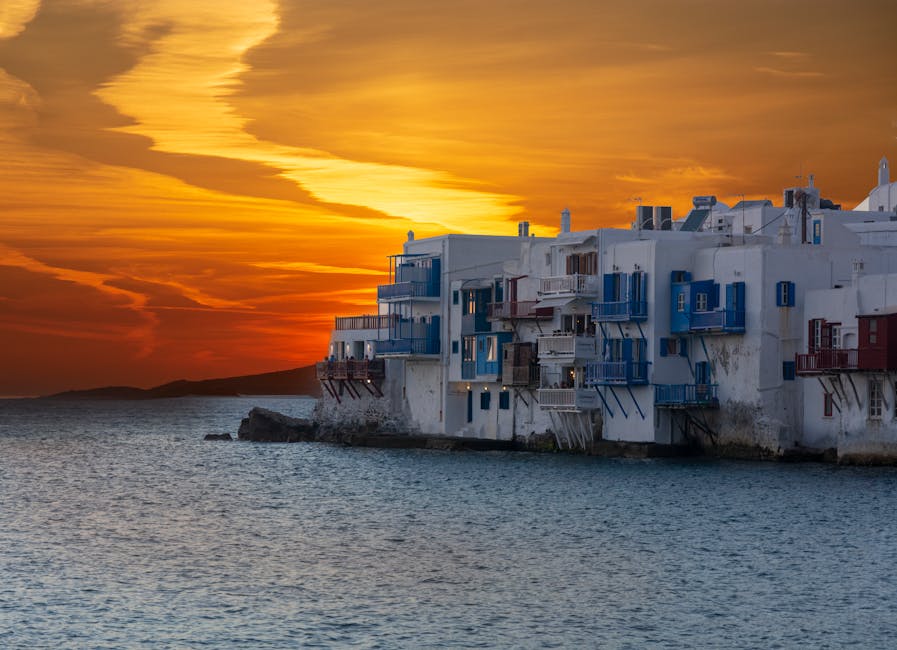
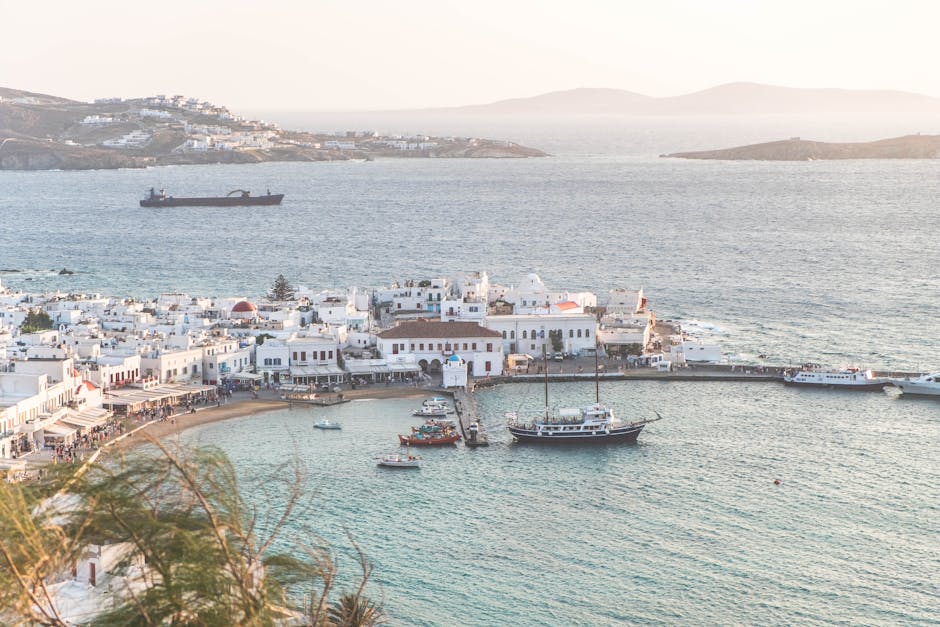
Mykonos — one of the Cyclades’ most iconic islands — is famous for its photogenic windmills, charming Little Venice, and buzzing nightlife. But beneath the turquoise surface that draws yachts and sunbathers lies an intriguing underwater world that many rushed visitors never see. Diving around Mykonos offers a striking contrast of crystal-clear water, current-sculpted rock formations and surprisingly rich Mediterranean biodiversity: schools of salema porgy, morays, octopuses, starfish and colorful gorgonians. In this guide we’ll take you off the beaten track to the secret dive spots known mainly to local divers and experienced dive centers.
Whether you’re a beginner wanting to try an introductory dive, a certified diver hunting for wrecks, or an explorer keen on little-visited caves, Mykonos has something for you. We cover the best dive sites — including Rhenia, Kalo Livadi, Ornos and Cape Armenistis — and list reliable dive centers, exact addresses, typical schedules, prices in euros and practical local tips (best months, currents, visibility, gear to bring). You’ll also find suggestions for pairing dives with visits to iconic on-land sites like Armenistis Lighthouse (Faros Armenistis), Little Venice and the Delos Archaeological Site so you can enjoy both the island’s terrestrial and marine riches.
We put safety and environmental respect front and center: local boating rules, mooring buoy and anchor management, eco-friendly spotting tips to avoid damaging gorgonians and posidonia seagrasses, and how to choose a dive center that follows PADI/CMAS standards. You’ll also get practical pointers on booking ahead during high season (July–August), arranging transfers from Mykonos Island National Airport (JMK), and where to rent equipment if you’re traveling light.
To help you picture these places, visual cues are included throughout the article — suggested image labels like « Armenistis Lighthouse sunset view » or « Underwater cave Kalo Livadi dive » you can look up on Unsplash, Pexels or Pixabay. Follow along to explore Mykonos’ hidden seabeds, learn which dives match your level, and discover how to combine on-land pleasures with underwater discovery on an island that keeps surprising.
Secret Spot #1: Rhenia and the Wreck Passage (Rhenia Channel)
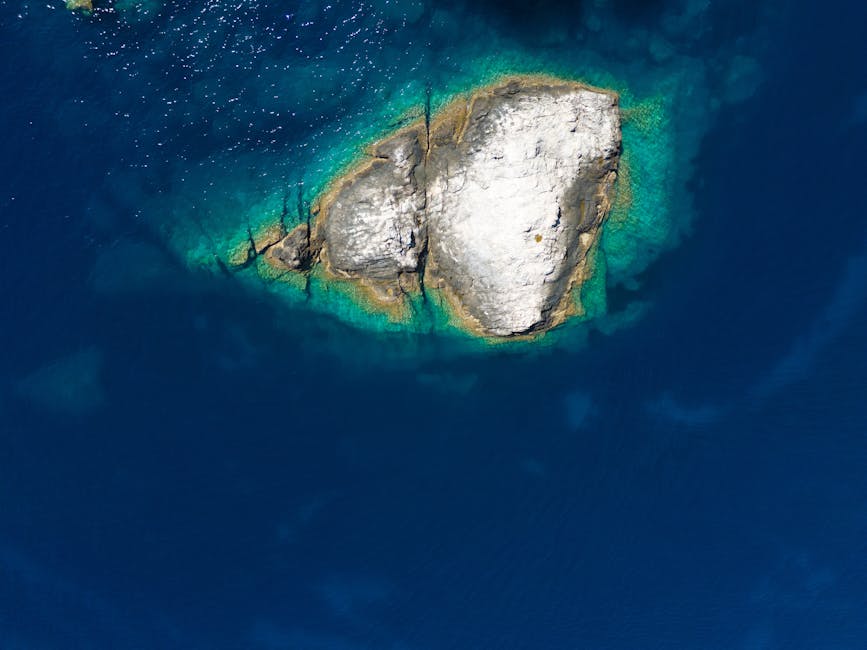
Rhenia, a small uninhabited island west of Mykonos, is one of the archipelago’s best-kept underwater treasures. The Rhenia Channel — the stretch between Mykonos and Rhenia — features steep walls, underwater caves and several modern and older wrecks that draw experienced divers. Visibility is often excellent in late spring and early autumn (20–30 meters), especially when the meltemi breeze is moderate. Depths range from 5 to 40 meters, making the area suitable for guided introductory dives as well as technical dives for advanced divers.
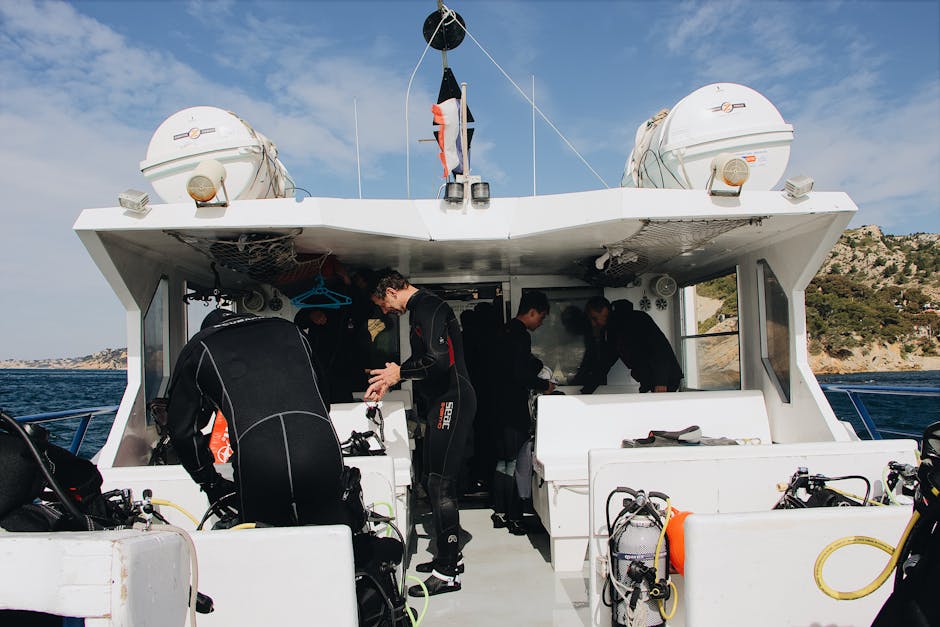
How to get there: most dive centers depart from Mykonos New Port (Address: Tourlos, Mykonos 84600). Typical setup: board at Mykonos New Port, then a boat ride of roughly 25–40 minutes depending on weather. Common meeting point: Mykonos Diving Center near the Tourlos quay. Booking address example: Mykonos Diving Center, Miaouli 23, Tourlos, Mykonos 84600. Usual schedule: departures between 08:30 and 10:00, returns between 13:00 and 16:00 depending on the program. Typical prices: double-tank guided dive €70–€90 per dive, try dive €95–€120, BCD + regulator rental €20–€30. Always check what equipment is included in the price.
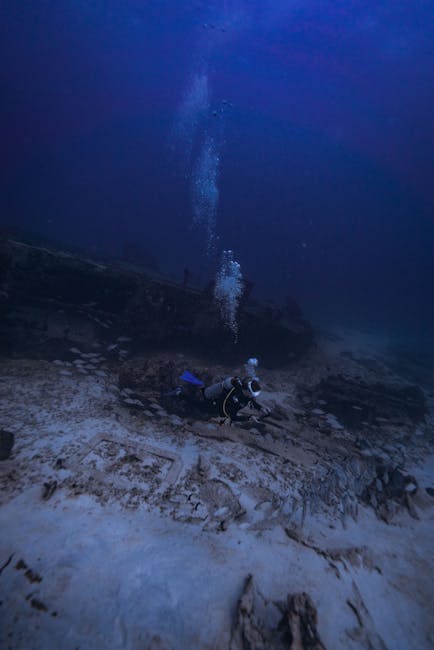
Immersive description: expect limestone formations draped in purple gorgonians, groupers tucked into overhangs, and sometimes schools of tuna further offshore. The wrecks are mostly small but perfect for exploration: a few are old cargo vessels that now function as artificial reefs. The underwater atmosphere is often hushed, punctuated by beams of sunlight filtering through tunnels and marine stalactites. Currents can occur, so bring a flashlight and a safety reel if you plan to penetrate caverns.
Local tips: book your trips at least 48 hours in advance during high season. Underwater photographers should plan an early-morning dive when the surface is calm. Respect buoys and always communicate with the skipper: some areas are affected by local fishing and lines may be left behind. Finally, avoid touching the seabed and gorgonians — these organisms recover very slowly.
Secret Spot #2: Cape Armenistis & Fokos Cave (Armenistis Cap & Fokos Cave)
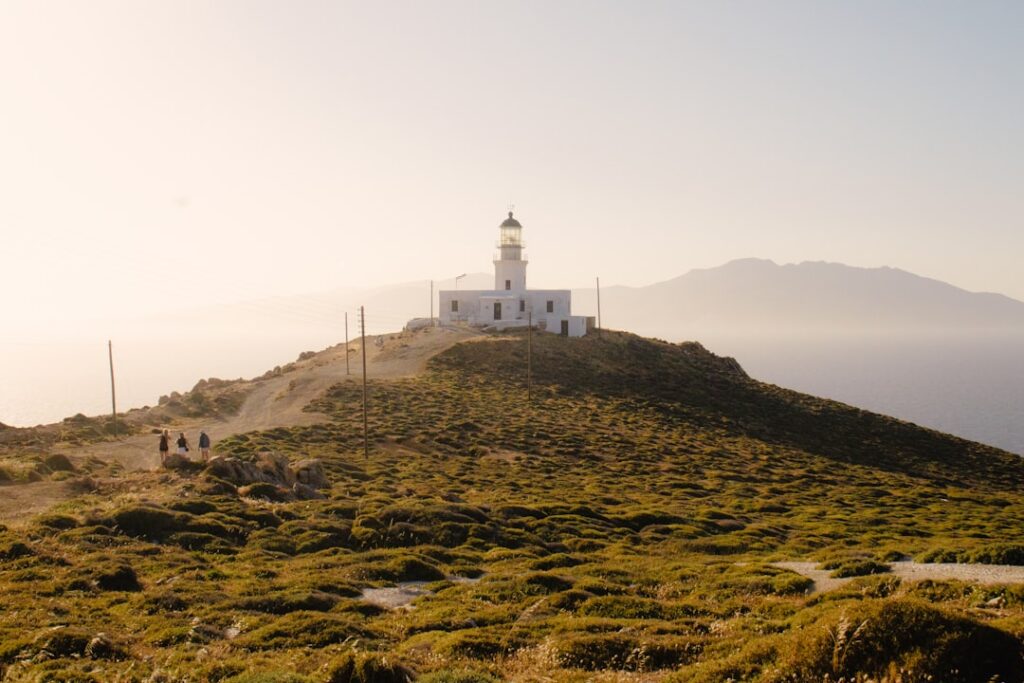
Cape Armenistis, dominated by the historic Armenistis Lighthouse (Address: Armenistis Lighthouse, Ano Mera Road, Mykonos 84600), offers spectacular wall and cave dives accessible from small boats. The area around the lighthouse is known for its deep waters and volcanic underwater landscapes: basalt slabs, natural tunnels and arches. Fokos Cave, a few minutes by boat from the cape, is a highlight for advanced divers because of its intimate passages and shifting topography.
Access and logistics: meeting points are often Agios Stefanos port or the small Armenistis harbor (approximate coordinates for the captain: Armenistis, Mykonos 84600). Trips are offered by H2O Mykonos (for example) and other local operators. Sample center address: H2O Mykonos Dive Center, Ornos Beach Road, Ornos, Mykonos 84600. Schedules: morning departures between 07:30–09:00, returns between 12:00 and 16:00 depending on the number of dives. Prices: guided dive €65–€85 per person, semi-dry suit rental (€10–€18), organized night dive €90–€120 with light included or available to rent.
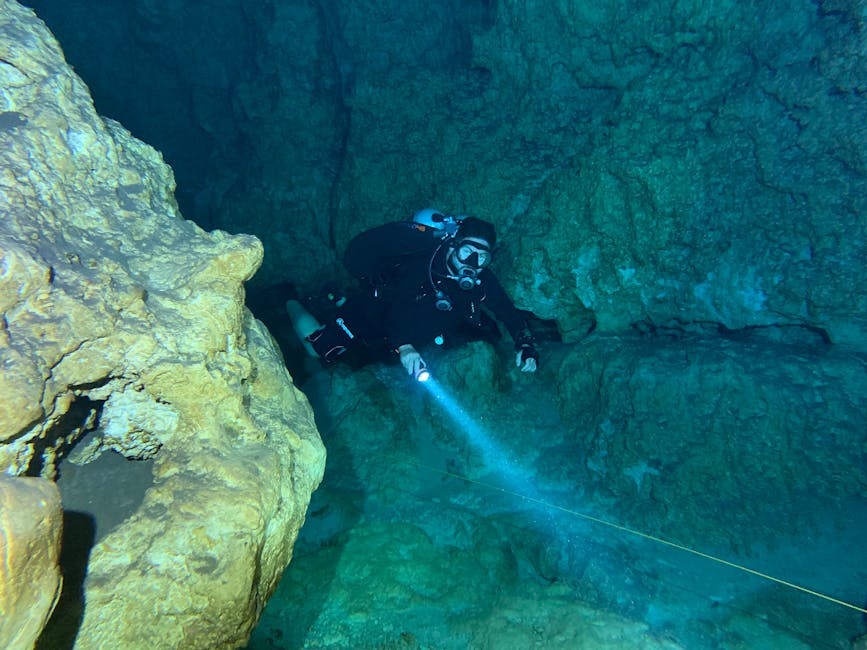
Immersive description: diving from Cape Armenistis reveals underwater canyons where natural light plays off the walls, creating magical scenes. Cave entrances are often shallow (6–12 meters) before dropping off quickly, offering dramatic views of sponge colonies. You’ll commonly see salema and sea bass (Dicentrarchus labrax), and occasionally loggerhead turtles (Caretta caretta) offshore. Cave entries require good buoyancy control — using a surface marker buoy (SMB) is strongly recommended to mark your group for the boat.
Practical advice: check weather and sea conditions before you go — the meltemi can make the approach tricky from the northwest side. Bring at least a 3 mm suit in spring/autumn, or 5 mm for longer or deeper dives. Consider carrying a backup oxygen cylinder if you’re diving in caves (depending on the center’s policy). Also visit the Armenistis Lighthouse after your dive: Faros Armenistis is open to the public on certain days and its panoramic sunset view is not to be missed (physical address: Armenistis Lighthouse, Ano Mera Road; opening hours vary and the site is often freely accessible during daytime). Entry is usually free, but check local signs.
Secret Spot #3: Kalo Livadi – Walls and Mediterranean Wildlife
Kalo Livadi is a wide bay on Mykonos’ southeast coast, known for sandy beaches and crystal waters. Less crowded than Psarou or Paradise, the offshore area around Kalo Livadi hides dramatic walls and posidonia meadows where marine life concentrates. These dives suit intermediate to advanced divers looking for a mix of macro photography and scenic rock landscapes.
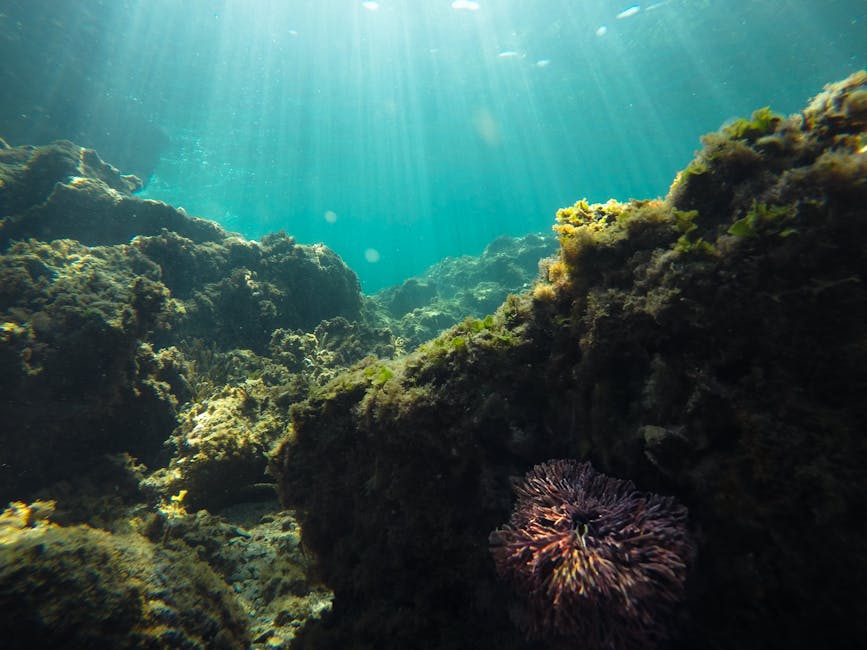
How to get there: departures are often from Kalo Livadi Beach itself or from Elia port (Elia Beach area). Practical address: Kalo Livadi Beach, Kalo Livadi, Mykonos 84600. Centers like Blue Diving Center Mykonos offer trips from Elia Beach. Sample address: Blue Diving Center, Elia Beach Road, Elia, Mykonos 84600. Booking hours: 08:00–17:00 for daily reservations. Prices: guided dive €60–€80, 2-dive package €120–€150, dive computer rental €8–€12 per dive.
Immersive description: Kalo Livadi’s walls are carpeted with anemones, yellow sponges and red gorgonians. You’ll find crevices sheltering spiny lobsters (Nephrops norvegicus) and colorful nudibranchs for macro enthusiasts. Schools of salema and bogue patrol above sandy patches, occasionally attracting larger predators hunting nearby. The terrain alternates between sloping rock faces and posidonia meadows, creating a varied habitat and a richly diverse dive.
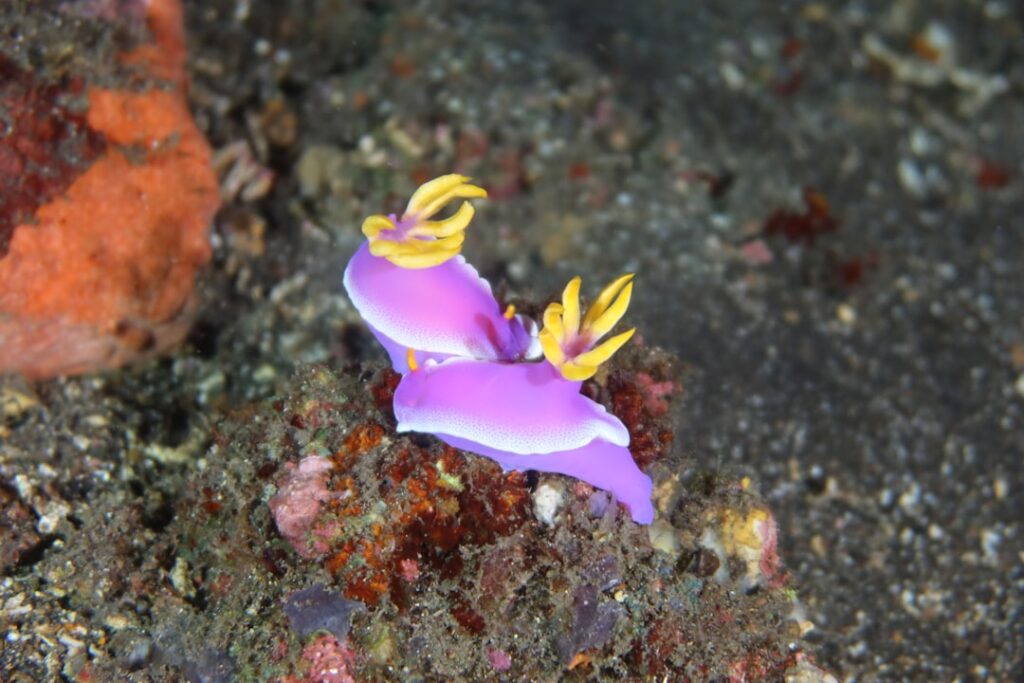
Local tips: bring a macro lens if you want to photograph nudibranchs and tiny critters. Currents are usually mild but can pick up late in the day — aim for morning dives for the best conditions. Pack an SMB and a dive torch for night dives: several centers run nocturnal trips at Kalo Livadi where benthic life really comes alive. Buy boat tickets and reserve online when possible — in high season spots fill up fast (book 3–5 days ahead recommended).
Secret Spot #4: Ornos & Tragonisi Reef (Ornos & Tragonisi Reef)
Ornos, west of Mykonos town, is a sheltered bay popular for swimming and watersports. Nearby Tragonisi reef — a small islet and rocky underwater zone — is perfect for shallow dives (5–20 meters) suited to families and beginner divers looking to build confidence before moving on to more technical sites.
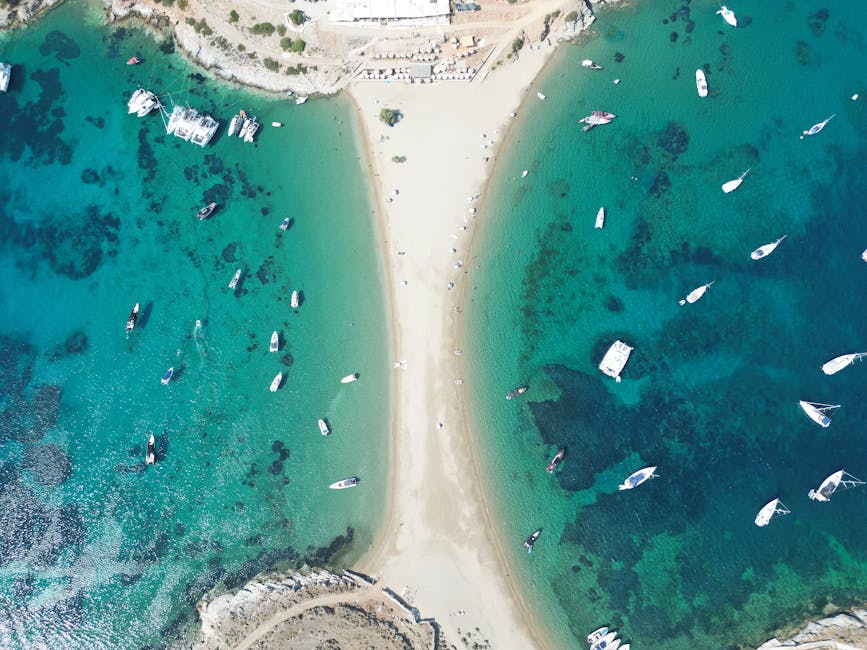
Departure point: Ornos Beach, address: Ornos, Mykonos 84600. Several dive centers such as H2O Mykonos and Mykonos Diving Center run trips from Ornos. Example center: Mykonos Diving Center, Miaouli 23, Ornos, Mykonos 84600. Opening hours: centers generally operate 09:00–18:00 in high season. Prices: bay try-dive €80–€110, kids’ discovery dive €70–€90, fins/mask rental €8–€12 per day.
Immersive description: dives around Tragonisi mix small walls, rocky islets and seagrass meadows. It’s a great place to spot camouflaged octopuses, conger eels hiding in crevices, and starfish. The seabed is good for sediment formation and spawning grounds for some pelagic species. For photographers, close encounters with benthic life make each dive memorable.
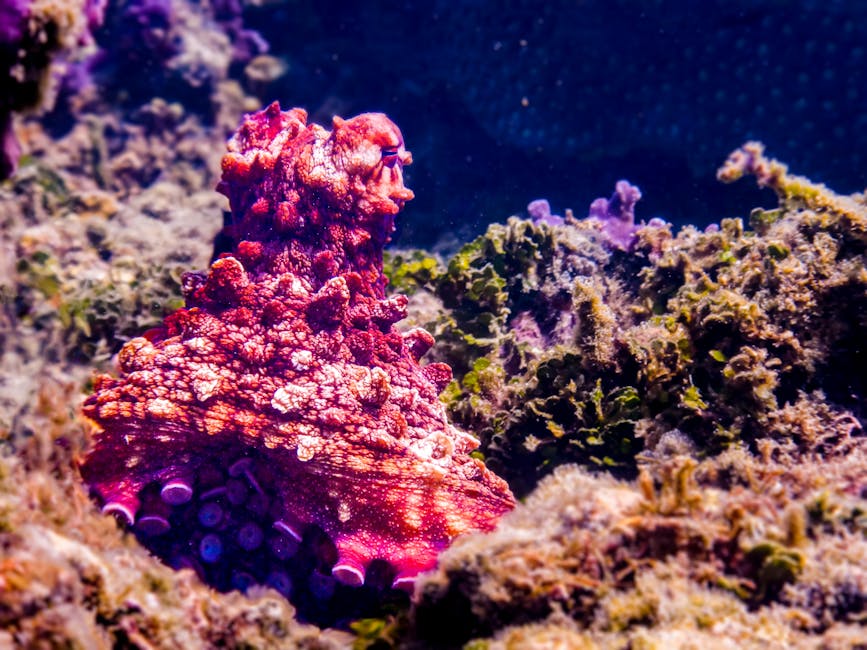
Practical tips: Ornos is well protected from winds, making it a smart choice when seas are rough elsewhere. Arrive early on the beach to avoid crowds and to get a proper briefing before entering the water. If you’re diving multiple days, many centers offer 3-dive packages at a discount (for example €180–€220 for 3 guided dives, equipment included depending on the center). Always verify whether weights and dive computers are included in the posted price.
Secret Spot #5: Delos — Archaeological Dives and Nearby Reefs
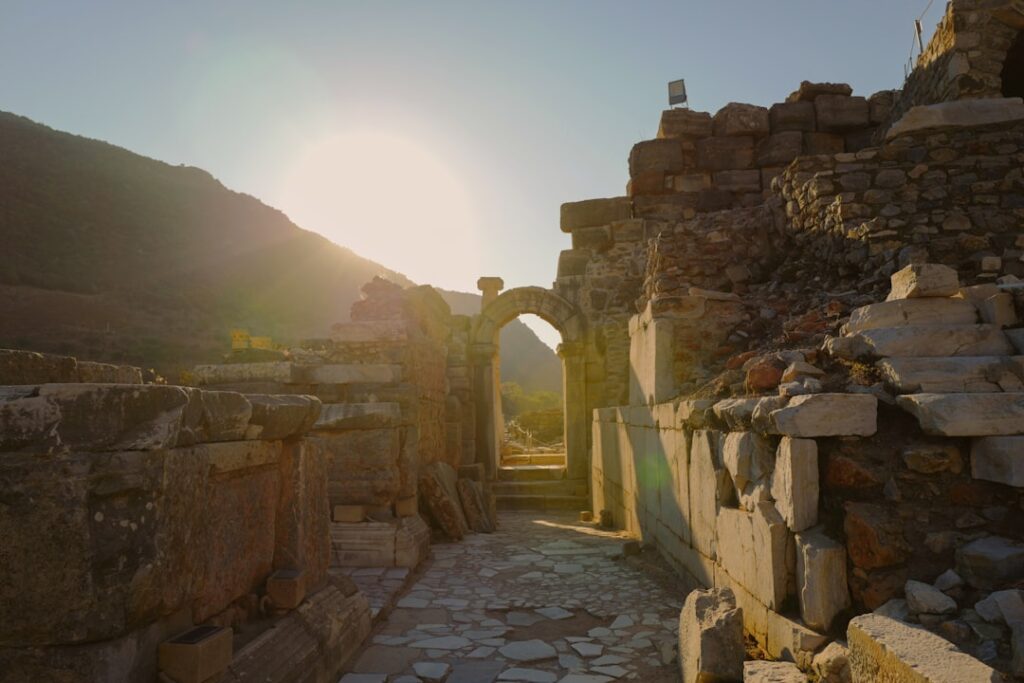
The small Delos archipelago, a major archaeological site and UNESCO World Heritage Site, is more than an open-air museum — its surrounding waters offer fascinating dives where on-land history meets underwater history. While diving directly among the terrestrial monuments is restricted to protect the site, nearby marine zones reveal traces of ancient activity, sandy bottoms scattered with buried amphorae and abundant marine life.
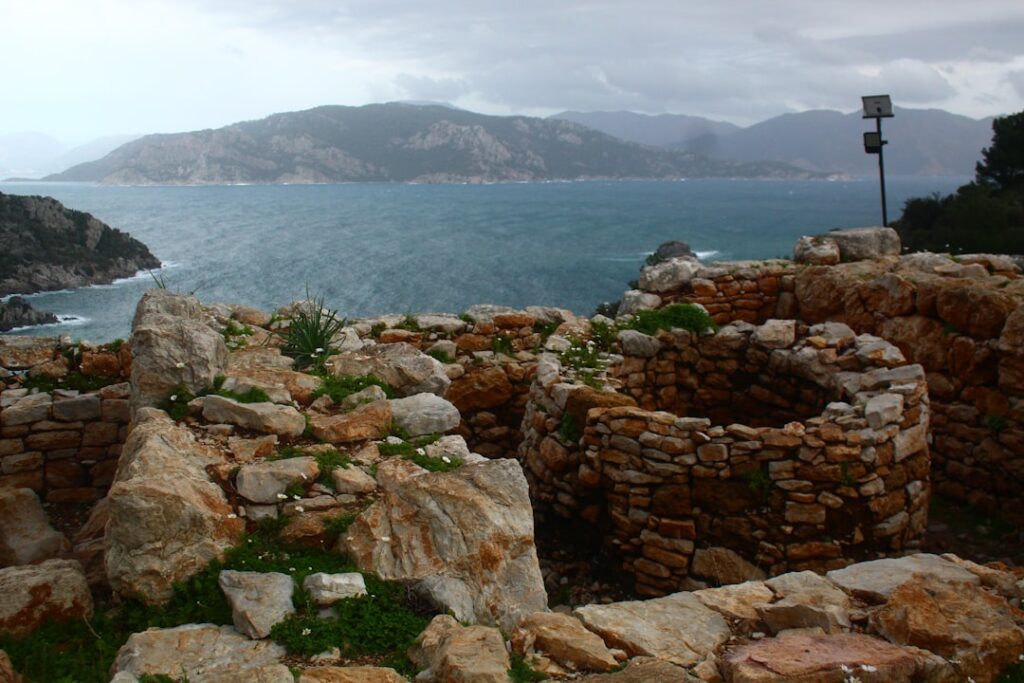
Logistics: trips to Delos depart from Mykonos’ main port and are often combined with a land visit to the Delos archaeological site. Terrestrial site address: Delos Archaeological Site, Delos Island (accessible by boat from Mykonos Old Port). Land opening hours: typically 08:00–15:00 (seasonal variations apply), on-site entrance around €12–€20 for adults (check the Greek Ministry of Culture for current rates). For diving, book with an authorized center that knows the marine boundaries and protected zones.
Immersive description: along Delos’ coastline you’ll find rock slopes covered in sponges and anemones, posidonia fields sheltering blennies and wrasses, and occasionally fragments of ancient amphorae partially buried — visible reminders of historic maritime trade. These dives require careful attention to protected limits: removing artifacts or disturbing the seafloor is strictly forbidden. The experience is both scientific and aesthetic: you’re literally diving near ancient maritime routes that once linked Greek cities.
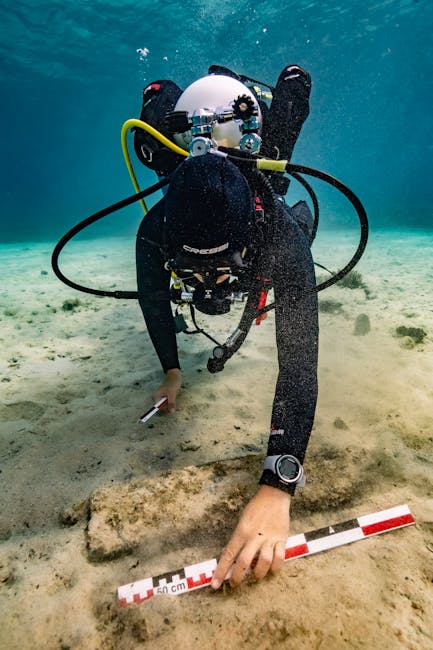
Local tips: combine your dive with a guided walk on Delos to get the full historical context. Respect limits set by archaeological authorities and follow your guide’s briefings. Combined dive + land tours vary in price: expect €120–€180 depending on the number of dives and length of the visit. Buy land site tickets ahead in summer — tour groups can be large. Photographers should request early dives for the best light and calmer seas.
General Practical Tips for Diving Mykonos
Before you head out to the secret spots, here’s a consolidated checklist to maximize safety and enjoyment:
- Seasons and weather: the best time to dive is May to October. June and September often offer the best combination of visibility and calm seas. In high summer (July–August) the meltemi can be strong — favor morning trips.
- Recommended dive centers: Mykonos Diving Center (Miaouli 23, Tourlos, Mykonos 84600), H2O Mykonos Dive Center (Ornos Beach Road, Ornos, Mykonos 84600), Blue Diving Center (Elia Beach Road, Elia, Mykonos 84600). All offer PADI courses and CMAS guidance; check instructors’ certifications.
- Typical prices: try-dive €80–€120, guided dive €60–€90 per dive, 3-dive package €160–€240, full equipment rental €25–€40 per day. Prices vary depending on inclusions (taxes, transfers, meals).
- Personal equipment: well-fitting mask, 3–5 mm suit depending on season, dive computer (or rent for €8–€12), torch for cave/night dives (rental €6–€10 if not included).
- Health and safety: complete a medical questionnaire before diving and respect flight time limits after diving (24 hours after a single dive, 48 hours after multiple or deep dives per DAN guidance).
- Environmental respect: don’t touch posidonia, avoid anchoring on seagrass beds, use center buoys or ask the skipper to use moorings when available.
- Transport and useful address: Mykonos Island National Airport (JMK), Address: Mykonos National Airport, Tourlos, Mykonos 84600. Many centers provide free transfers from the port or your hotel — confirm when booking.
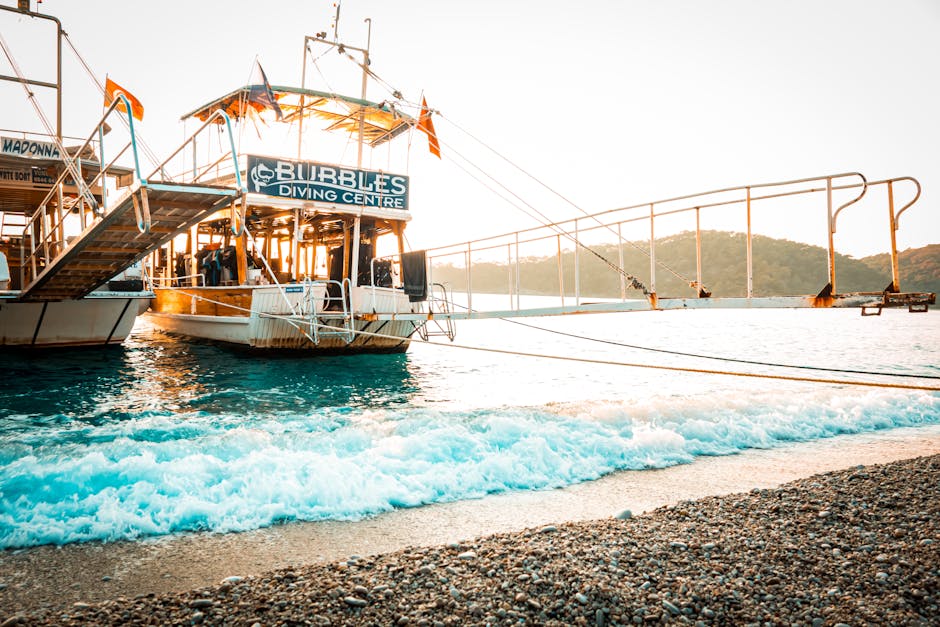
Money-saving tip: book multiple dives with the same center to get discounts. Many hotels partner with dive shops to offer packages that include transfers and breakfast. Also check whether the center offers a guide in French if you prefer briefings in that language.
Conclusion
Mykonos isn’t just about parties and picture-postcard views — it’s a varied and rewarding dive destination with secret sites that will satisfy curious beginners and seasoned divers alike. From the mysterious wrecks in the Rhenia channel to Armenistis’ dramatic caverns, the posidonia meadows of Kalo Livadi and the sheltered Tragonisi reef near Ornos, each site brings its own set of emotions and marine encounters. Add the marine archaeological zones off Delos and diving in Mykonos becomes an experience where human history and marine life meet.
To get the most from your dives, choose a certified dive center, book ahead in high season and follow local conservation rules. Bring the right gear, plan early-morning dives when seas are calm, and pay attention to currents and briefings. Prices in euros vary depending on services (try-dive €80–€120, guided dive €60–€90), but the investment is worth it: pristine underwater landscapes, Mediterranean biodiversity and unexpected wildlife encounters.
Finally, don’t forget to pair your dives with on-land exploration: hike up to Faros Armenistis for a sunset, wander Little Venice at dusk, or spend a morning at the Delos archaeological site to better understand the heritage behind these waters. Mykonos is a multifaceted island — below the surface it reveals stories and ecosystems that deserve to be explored respectfully. Happy diving, and may your bubbles lead you to unforgettable discoveries.