




Introduction — Tinos spiritual: between chapels, marble and pilgrimages (from Mykonos)
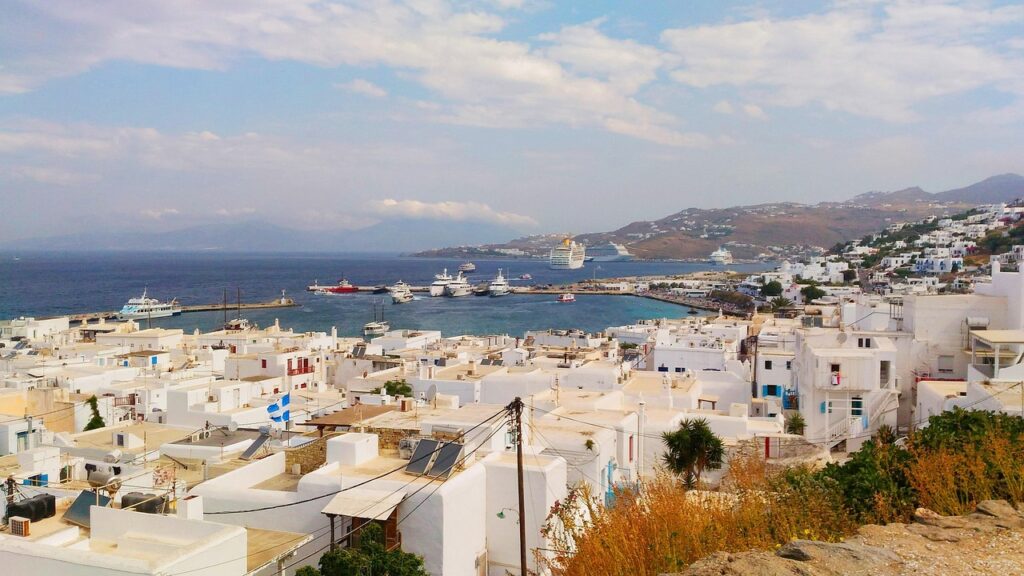
Just a short wave-skip from Mykonos, the island of Tinos reveals itself as a deeply spiritual and culturally rich destination, where Orthodox traditions blend with age-old craftsmanship: marble carving. Less than an hour by ferry from Mykonos, Tinos draws tens of thousands of pilgrims and curious visitors every year, who come to venerate the Virgin Mary at the Panagia Evangelistria basilica, wander whitewashed village lanes, or dive into the marble craft scene in Pyrgos.
This guide, written for travellers setting out from Mykonos, gives practical, immersive information: exact addresses, typical opening hours, prices in euros, sensory descriptions and local tips to experience sacred Tinos. Whether you’re a pilgrim, an art lover or a quiet walker seeking silence and carved beauty, Tinos offers a route where every chapel, every block of marble and every procession tells a story. The journey usually starts at Mykonos port (Old Port / New Port), where ferries depart for Tinos. On arrival, Chora (Tinos town) opens around the famous basilica, whose steps and queues of faithful create an impressive scene, especially during Holy Week and on August 15.
Beyond the basilica, the island is dotted with small hilltop chapels, stonecutters’ workshops and a museum dedicated to marble. Pyrgos, the island’s marble hub, is home to the Museum of Marble Crafts and workshops where resident sculptors bridge tradition and contemporary practice. From Volax, with its granite boulders dotted with junipers, to the coastal chapel of Agios Fokas, each spot offers its own aesthetic and atmosphere: floors polished by the passage of worshippers, metal ex-votos, icons with patinated gilding, and Byzantine chants echoing at dusk.
The guide below is organised into thematic sections: the basilica and the pilgrimage, the marble villages and workshops, isolated chapels and their rites, followed by practical advice for planning your trip from Mykonos (ferry timetables, island transport, accommodation tips and the best season to visit). Concrete details (addresses, prices, indicative hours) are provided for each place so you can plan with confidence. Finally, local tips (how to respect religious practices, what to wear, where to eat afterward) round out the approach for a respectful and enriching stay.
1) The Panagia Evangelistria Basilica: heart of the pilgrimage and rituals
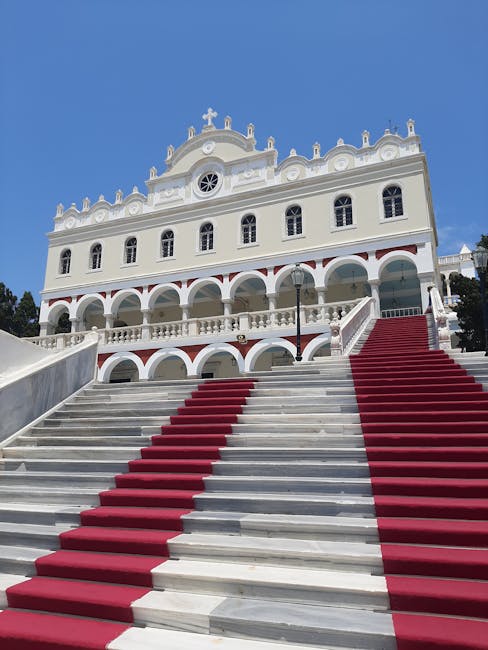
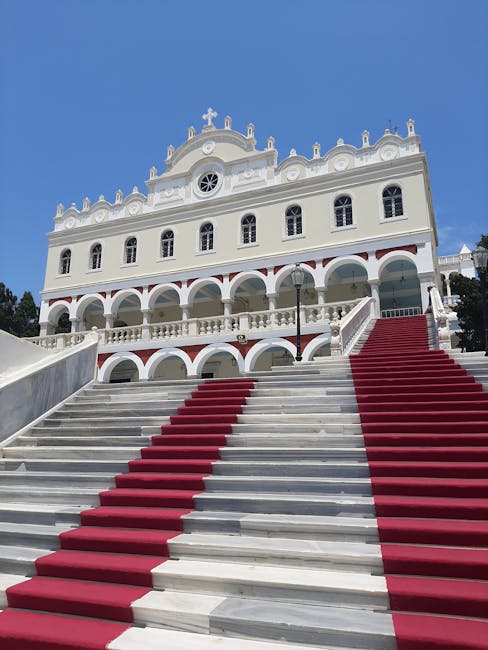
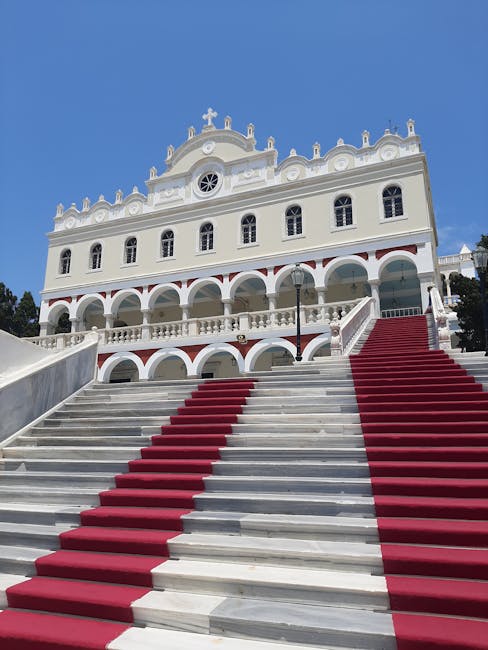
The Panagia Evangelistria Basilica (Church of the Virgin Mary – Παναγία Ευαγγελίστρια) is Tinos’s spiritual core. Address: Plateia Evangelistrias, 842 00 Tinos Town, Tinos, Greece. This neo-Byzantine building, erected in the early 19th century after the discovery of a miraculous icon, attracts worshippers from all over Greece. Pilgrimages peak on August 15 (Assumption) and during Holy Week, but the basilica is active year-round.
Opening hours: generally open daily from 05:00 to 13:30 and from 17:00 to 22:30. Service times are posted at the entrance; the morning mass (Divine Liturgy) often takes place around 07:00–09:00, with vespers in the evening between 19:00–20:30 depending on the season. Entrance: free, though donations and the purchase of candles (approx. €1–5) are common. You can take part in processions, light a candle, leave an ex-voto or touch the icon according to local custom.
The site is known for its large marble staircase leading up to the church; during pilgrimages you’ll see worshippers climbing the steps on their knees as a sign of penance. Local tip: if you want to watch without getting in the way, stand to the right side of the steps and respect the queue. Photography is generally allowed outside; inside, ask for permission first and avoid taking photos during services. The basilica also has an adjacent religious museum (Tinos Holy Shrine Museum) displaying priestly garments, old icons and ex-votos from travelers.
Facilities: immediately surrounding Plateia Evangelistrias you’ll find tourist information offices, small stalls selling candles and icons, and taxi stands. For a respectful visit, wear clothing that covers shoulders and knees when entering indoor spaces. In high season, arrive early (before 09:00) to avoid crowds and enjoy a quieter moment for prayer and contemplation.
2) Pyrgos and the Museum of Marble Crafts: workshops, sculptures and learning
Pyrgos (Pyrgos Tinos) is the island’s marble village-museum. Main museum address: Museum of Marble Crafts (Pyrgos Marble Museum), Pyrgos, 842 01 Tinos, Greece. This museum, dedicated to the techniques and history of marble work on Tinos, showcases traditional tools, contemporary pieces and live demonstrations by artisans. Opening hours: generally open daily from 09:00 to 17:00 (extended summer hours until 19:00); admission: €3–5 (adult €5, reduced €3 for students/seniors). Some temporary exhibitions and sculpture workshops carry an extra fee (introductory workshops €25–50 depending on length).
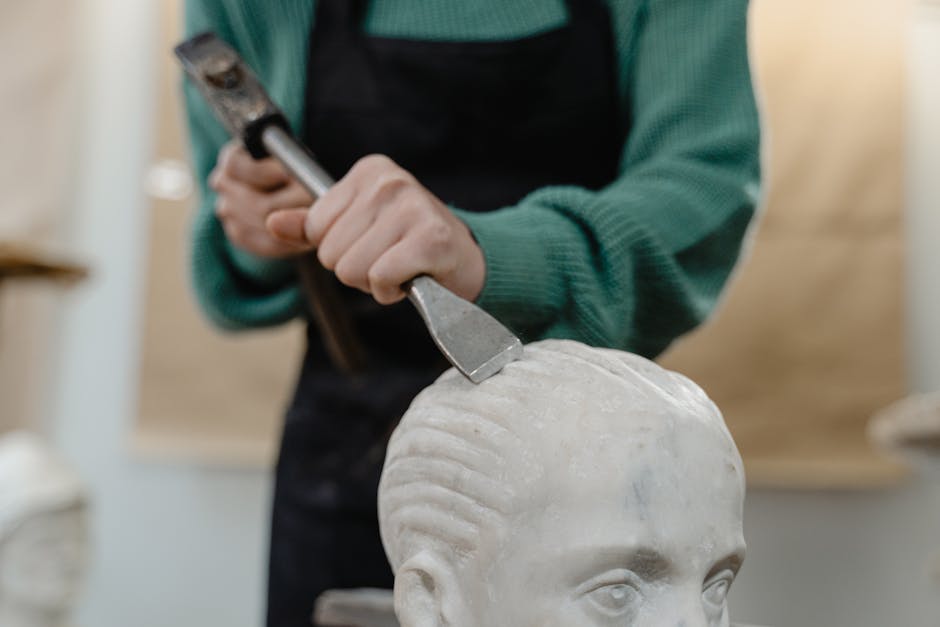
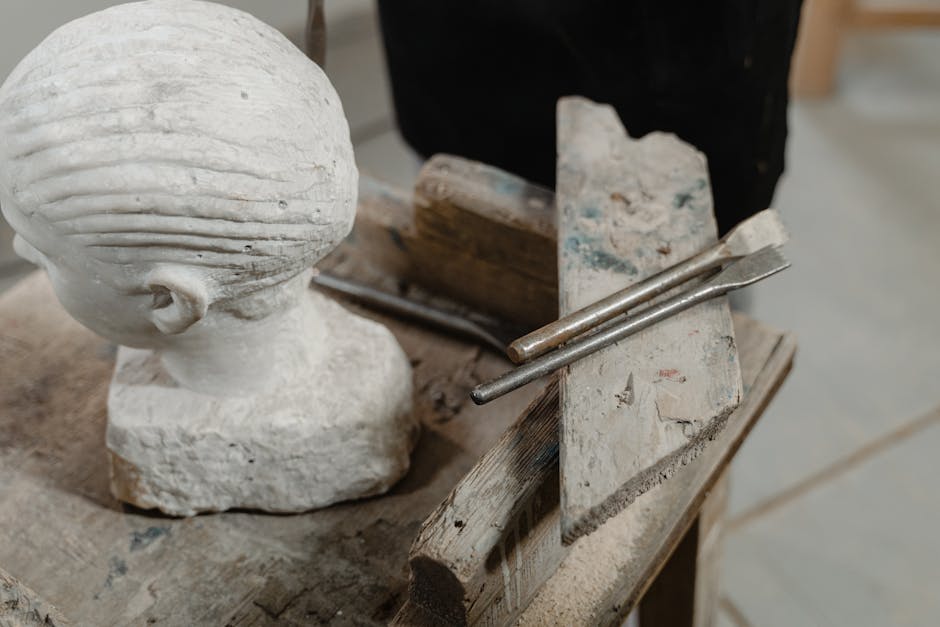
The village of Pyrgos is also home to numerous workshops and galleries — you’ll see sculptors carving marble live, polishing surfaces that catch the Mediterranean light. Notable workshop address: Studio Markos Tzortzakis, Main Street, Pyrgos, 842 01 Tinos (hours vary; appointments recommended). Purchases and commissions: prices range widely (small sculptures €30–100, medium pieces €200–1500, large artworks by quote).
Immersive visit: wander the cobbled lanes, step into workshops where the white dust of marble hangs in the air and listen to the rhythmic sound of chisels on stone. Local sculptors, often from long lines of craftsmen, enjoy explaining their process. Practical tip: respect working spaces (closed-toe shoes recommended if you enter a workshop). Public demonstrations usually take place in the morning; check with the Pyrgos information office (Place of Pyrgos, central square).
For photographers and lovers of form, Pyrgos offers compositions of raw marble, antique tools and ornate facades. Village cafés serve snacks (Greek coffee €1.50–3, local pastry €2–4) for a break between workshops. Finally, Pyrgos is a great place to buy an authentic marble souvenir rather than mass-market trinkets.
3) Chapels and hermitages: a route of small sanctuaries and ritual experiences
Tinos counts dozens of small chapels and hermitages perched on hills or tucked along the coast. Each has its own story, often tied to a local icon or patron saint. Don’t miss these sanctuaries:
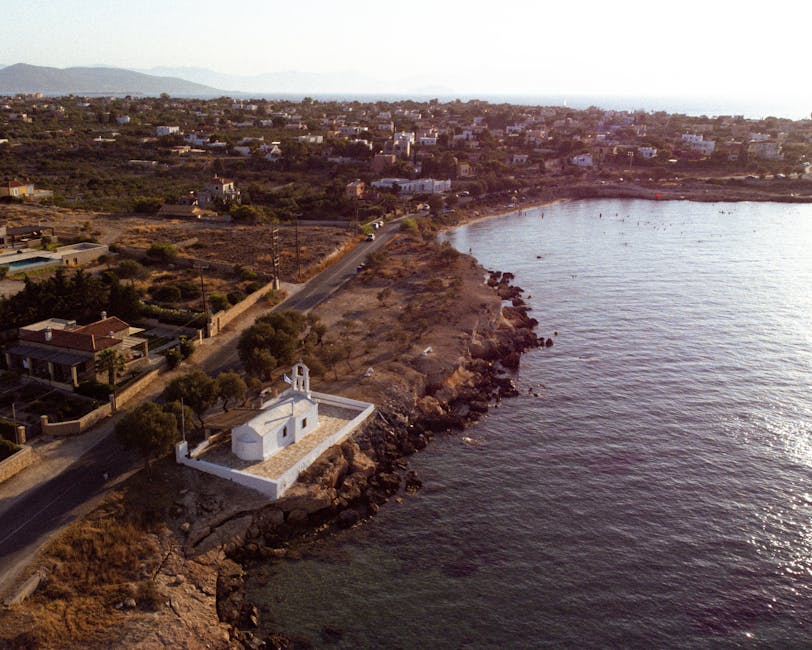
- Chapel of Agios Fokas (Agios Fokas Chapel) — Address: Agios Fokas, coastal road, 842 00 Tinos. Opening: freely accessible 24/7; interior lighting varies. This little seaside shrine is prized for its views and maritime services.
- Church of Panagia Odigitria — Address: Kastro area, Chora, 842 00 Tinos. Hours: 08:00–19:00. An example of a Byzantine chapel with a simple decoration, often less busy than the basilica.
- Chapel of Profitis Ilias — Location: summit of Profitis Ilias mountain, trailhead from Isternia village. Opening: accessible year-round; allow 1–2 hours for the hike. Valued for its panorama and small outdoor services during local festivals.
Describing these chapels is to speak of daily ritual: the lighting of oil lamps, icons covered with small metal ex-votos, the scents of incense and olive oil. On each visit, take time to notice the details: carved inscriptions, modest grave markers, and sometimes nautical ex-votos or drawings left by fishing families.
Local advice: observe hours of quiet (generally after 13:00 and between 16:00–18:00), especially during services. For isolated chapels, bring water, a hat and suitable footwear; some roads are unpaved. If you attend a service, be discreet, stay at the back and follow the community’s cues (for example, uncovering heads isn’t required for women in some chapels, but modest dress is expected).
Recommended ritual experience: join a small local procession if you come across one — many villages hold evening vespers (approx. 19:00–21:00) followed by sharing bread and ouzo. It offers a human, communal dimension to religious fervour. Always respect local practices and ask permission before photographing people at prayer.
4) Getting there from Mykonos: transport, accommodation and practical tips
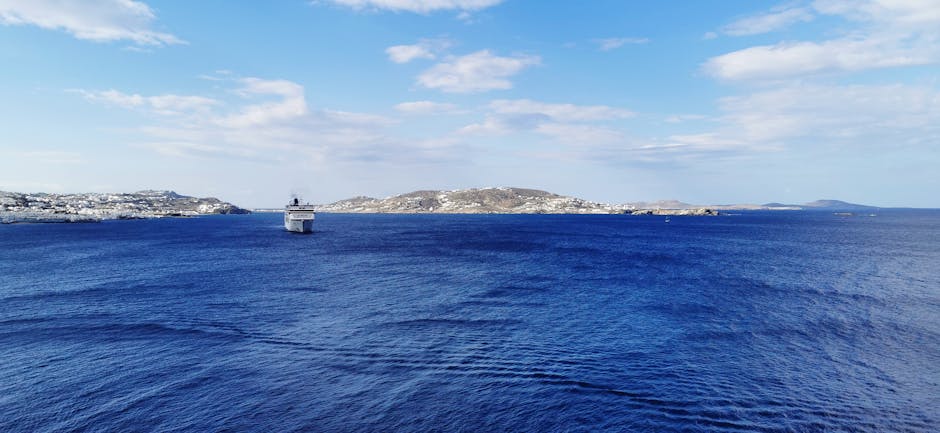
Getting to Tinos from Mykonos is straightforward and quick, making it a very popular day trip but also an excellent base for a longer stay. Ferries: companies serving the Mykonos–Tinos line include SeaJets, Blue Star Ferries and Hellenic Seaways. Departure: Mykonos New Port (Tourlos) and Old Port depending on the operator. Arrival: Tinos Port (Chora/North Harbour), port address: Tinos Port, 842 00 Tinos, Greece.
Schedules and fares: there are several daily crossings in high season (April–October). Travel time: 30–60 minutes depending on the vessel (hydrofoil 30–45 min, conventional ferry 50–70 min). Indicative fares: €8–25 one way (hydrofoil pricier: €15–25, conventional ferry: €8–15). Tickets: book online via the operators’ sites or at the port ticket office; in high season it’s best to book ahead, especially on weekends and religious holidays.
Getting around: Tinos’s KTEL bus network covers most villages and sights; main stop: Tinos KTEL Bus Station, central Chora (approx. address: Plateia Eleftherias, 842 00 Tinos). Fare: inter-village trips €1.50–4. Taxis are available at the port (port–Chora fare ≈ €5–10); renting a car or scooter is handy for exploring isolated chapels (car rental ≈ €35–70/day, scooter €12–25/day depending on season).
Accommodation: Tinos offers varied options — boutique hotels in Chora, guesthouses in Pyrgos, and traditional homes in Volax. Examples: Hotel Manto (address: Plateia Kyklaki 10, Chora, 842 00 Tinos): approximate prices €60–120/night depending on season; Pyrgos Marble Guesthouse (Pyrgos, 842 01 Tinos): €50–90/night. Book early for religious dates like August 15.
Practical tips: pack comfortable shoes for marble steps and rocky trails; a hat and sunscreen are essential. Respect church dress codes: shoulders and knees covered. For meals after your visit, favour local tavernas: Kafenio To Kafeneio (Chora) offers traditional dishes €8–15 for a main; Ktima Vouvgoura (Pyrgos) is known for its local specialties and artisan atmosphere.
Conclusion — Between faith, stone and inspiring silence
Tinos is an island you visit as much with your feet as with your heart. A short crossing from Mykonos, it offers a calming contrast: where Mykonos is synonymous with parties and lively beaches, Tinos recalls the strength of traditions, sincere devotion and the timeless beauty of marble. The Panagia Evangelistria basilica remains the pilgrimage’s focal point, a place where sacred gestures (lighting a candle, climbing on your knees, leaving an ex-voto) give each visit a particular emotional weight. Pyrgos’s workshops and the Museum of Marble Crafts reveal another vocation of the island: turning stone into memory.
Visiting Tinos from Mykonos is easy and highly recommended, whether as a day trip or a longer stay. Plan around ferry timetables, book accommodation in advance for high season, and be ready to walk — a lot. Respect rituals and locals: discreet behaviour and appropriate dress will open doors and smiles. Finally, give yourself time to listen — Byzantine chants, the clink of tools on marble and the wind over the hills create a soundtrack that will linger long after you return to Mykonos.
Whether you’re a pilgrim, an art enthusiast, a photographer or a traveller seeking quiet, Tinos offers a full, intimate experience: from white chapels to polished marble sculptures, from processions to workshops, every moment invites contemplation. Take time to get lost in Chora’s lanes, chat with a sculptor in Pyrgos and let the island’s serenity remind you of the value of simple gestures and living heritage. Safe travels, and may your visit to Tinos be rich in discoveries and authentic moments.