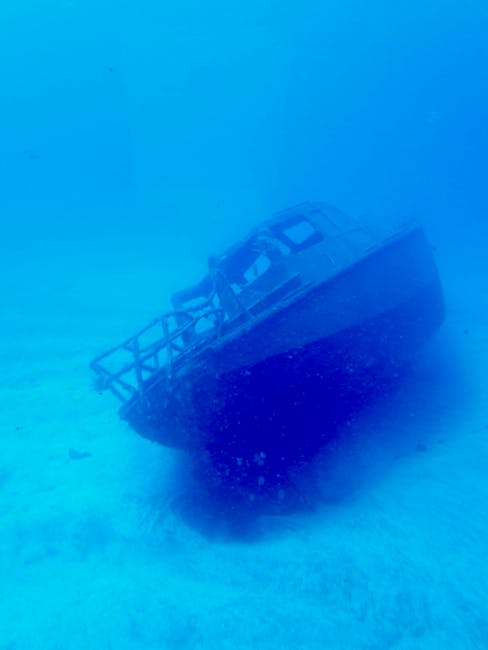






Introduction — Wrecks & Caves: why Mykonos is a standout diving destination
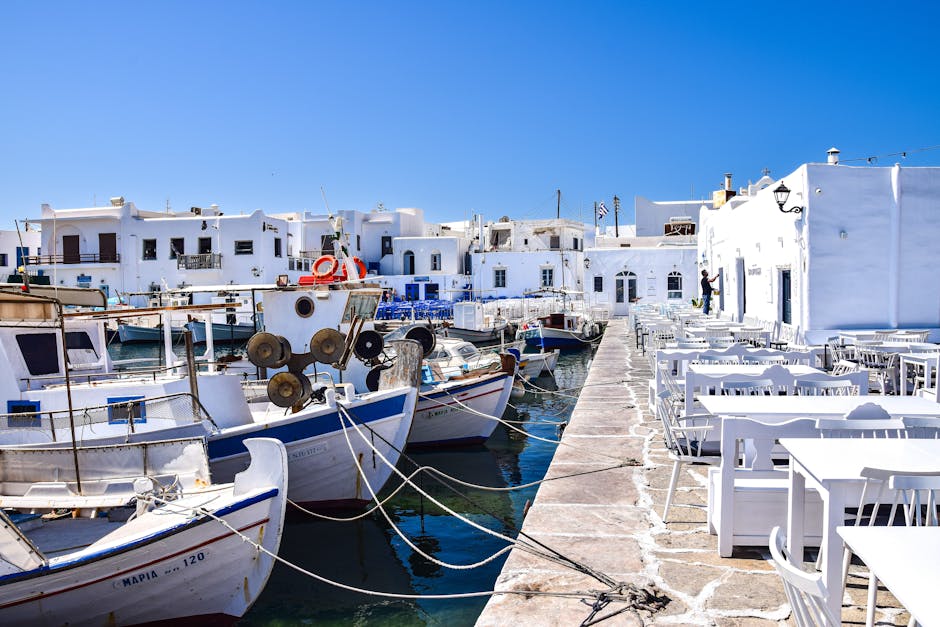
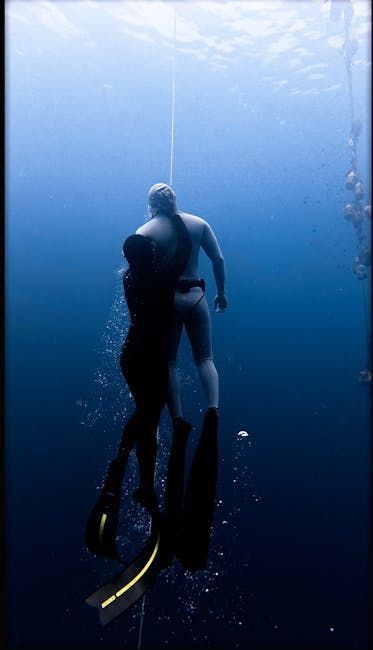
Mykonos isn’t only about golden beaches, windmills and nightlife. For adventurous divers, the archipelago around Mykonos offers an exceptional underwater playground: dramatic drop-offs, sea caves carved by currents, and hidden wrecks scattered along the coasts and nearby isles like Rhenia and Delos. This diving itinerary walks you through the best sites, the logistics — exact addresses, indicative prices in euros, typical departure times — plus immersive descriptions and local diver tips to help you plan safe, memorable dives.
This guide is aimed at Open Water and Advanced Open Water certified divers who want to combine historical curiosity with geological exploration. You’ll find recommended dive centers on the island, one‑day and multi‑day dive plans, cave and wreck safety considerations, and tips for optimising dives depending on wind (the famous summer meltemi) and visibility. Each site is described in detail so you can pick dives that match your level and appetite for exploration.
Beyond the dives themselves, this guide includes practical information: meeting points (exact addresses), approximate rates (in euros), usual boat and centre departure times, and recommendations on required gear — for example a dive light for cavities and a DSMB for wreck dives. Finally, local tips will help you make the most of the surroundings: where to eat after a dive, which villages to visit, and how to combine beach time, diving and archaeological sightseeing.
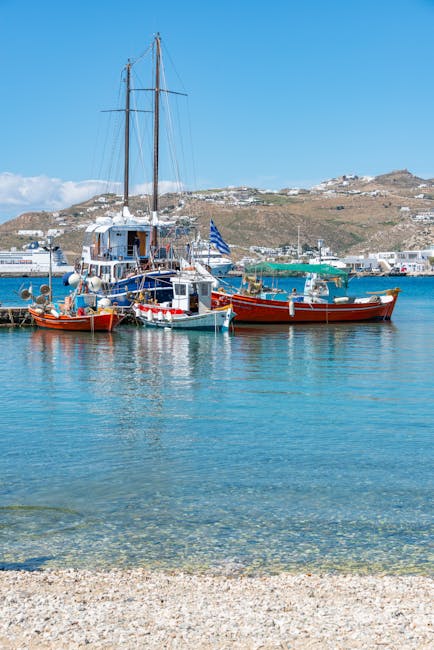
1) Logistics basics: dive centres, addresses, prices and schedules
Before you dive in, choose a reliable, well‑established dive centre. In Mykonos several operators run daily trips to wreck and cave sites, plus multi‑dive packages and specialty courses (deep, wreck, cave). Here are three recommended centres with exact addresses, typical prices and usual schedules:
- Mykonos Diving Center
Address: Fabrika, Chora, Mykonos 846 00, Greece.
Phone: +30 2289 022xxx (confirm when booking).
Indicative rates: Discover Scuba (try dive) €90; 1‑dive trip €70; 3‑dive pack €190; Weights + tank rental €15 per dive; Full‑day wreck trip €150‑180.
Hours: Desk 08:00 – 18:00, boat departures usually 09:00 and 14:00 (weather dependent). - Go Dive Mykonos
Address: Tourlos Harbour, Tourlos, Mykonos 846 00, Greece.
Phone: +30 2289 071xxx.
Rates: Half‑day boat trip 1 dive €75; Full day 2 dives (reefs & wrecks) €160; 5‑dive pack €270; Wetsuit rental €20/day.
Hours: Office 07:30 – 17:30, boat departures 08:30 and 13:30. - Blue Caves Diving Mykonos
Address: Agios Stefanos Road, Agios Stefanos, Mykonos 846 00, Greece.
Phone: +30 2289 0xxxx.
Rates: Cave trip 1 dive €80; Wreck specialty dive €95; Cave + wreck package €170.
Hours: 09:00 – 18:00, departures based on bookings (book 1–2 days ahead in high season).
Practical tips: pre‑book your dives, especially in July and August. Arrive 45–60 minutes before departure for briefings and gear up. Centres usually require a dive card and up‑to‑date logbook; for deep/wreck dives an Advanced Open Water or equivalent and nitrox training may be required. Prices can vary slightly by season and depending on included specialist gear (lights, reels, DSMB).
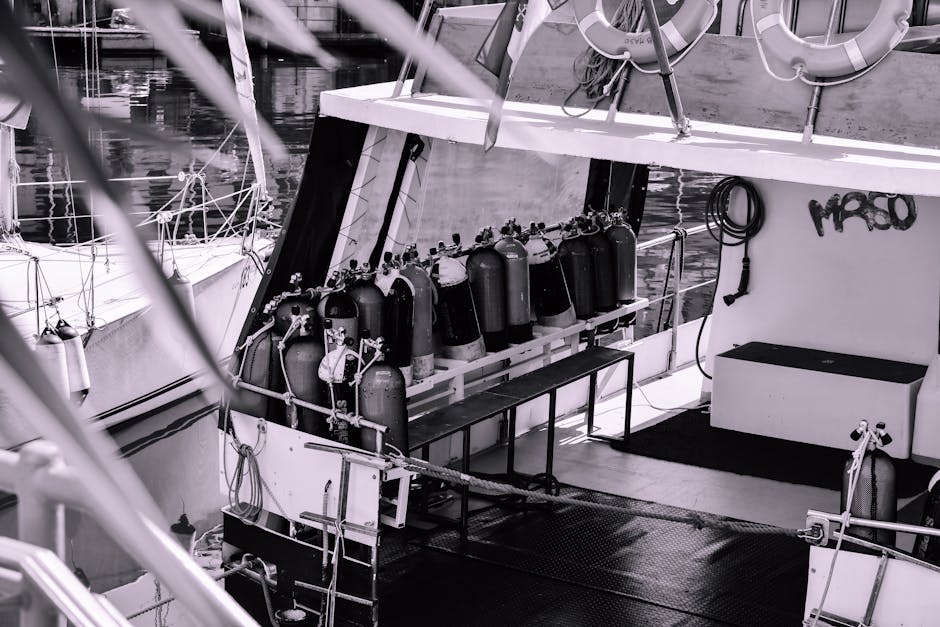
2) Wreck sites reachable from Mykonos: immersive and technical dives
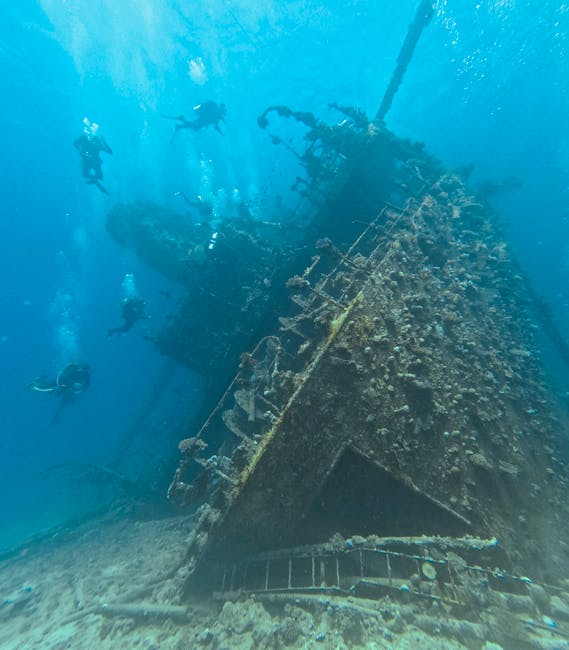
The waters around Mykonos and its neighbouring isles hide several interesting wrecks: merchant vessels, rusting cargos and occasionally military relics. Typical sites include shallow wrecks suitable for most divers and deeper wrecks that require advanced skills and decompression planning.
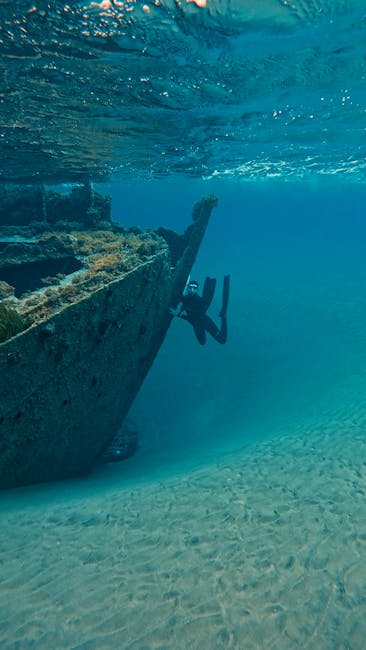
Rhenia Wreck — located between Mykonos and the island of Rhenia, this wreck sits on a seabed from 18 to 30 metres. Description: the hull is partially intact, creating cavities where groupers, congers and schools of barracuda shelter. Typical visibility: 15–30 metres. Recommended depth: 20–30 m. Highlight: an excellent site for navigation practice and underwater photography thanks to open structures and good light penetration.
Delos wreck (small archaeological site) — near the historic island of Delos (archaeological site above water), some submerged remains testify to ancient craft. Note: these dives must be conducted with an authorised centre; parts of the area are protected. Depth: 12–22 m. Associated life: gorgonians, lobsters and starfish.
“Big Cargo” wreck — located southwest of Mykonos, depth range 28–40 m. Reserved for technical divers: dive planning, decompression management and possibly trimix depending on depth and bottom time. The metal structures are largely collapsed, but parts of the deck and engine room can be accessed with a guideline. Marine life: moray eels, ribbon eels, rays and occasional squid at dusk.
Tips: for deep wrecks bring a DSMB, reels, cutters and dive lights. Don’t attempt wreck penetration unless trained in wreck penetration techniques. Currents around Mykonos can change quickly; follow your guide’s briefing closely and be mindful of the ascent point for boat pickup.
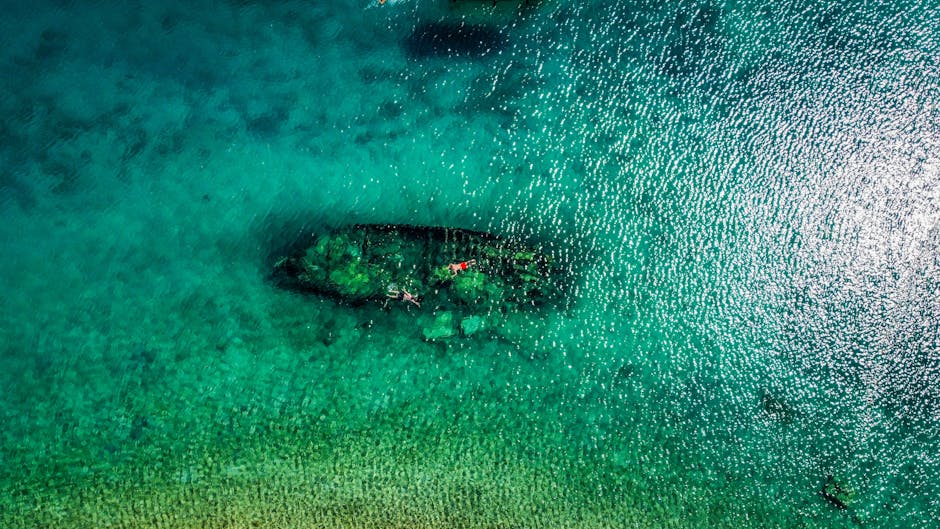
3) Sea caves and caverns: a safe route for underground exploration
Underwater caves and caverns are a major draw for divers in Mykonos. They range from well‑lit chambers where natural light spills in, to darker tunnels. Fanari caves and cavities near Psarou are popular picks. Below is a typical itinerary and site descriptions for a day of exploration:
Typical “Caves & Caverns” day — Meet at Mykonos port or Tourlos at 08:30, boarding and briefing at 09:00. Head to Fanari (southeast coast) — first dive: Fanari Caves (12–22 m, 40–50 min); surface interval ~90 min on the boat; second dive: Psarou Caves or North Rhenia Cavern (18–26 m). Return to port around 15:30–16:30 depending on weather.
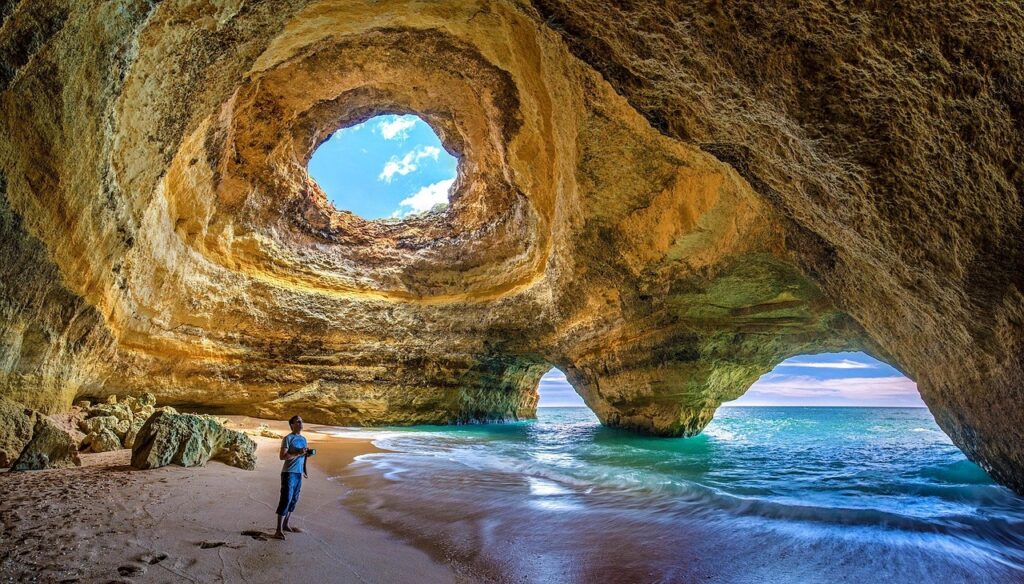
Fanari Caves — arch entrances, limestone columns and small sunlit chambers. Visibility: often 20–30 m; fauna: dentex, sea bream, octopus and nudibranchs in crevices. Highlight: morning light creates dramatic beams at cave mouths — perfect for strobe and wide‑angle photography. Recommended depth: 12–22 m, accessible to Open Water divers under supervision.
Psarou Caves — a tighter, deeper cave system where visibility can sometimes drop. Best for experienced divers or those enrolled in a cavern specialty. Watch for overhangs and air pockets; always dive with a local guide. Depth: 16–28 m, 35–45 min per dive depending on the decompression plan.
Safety: never enter a cavity without a qualified guide and the proper equipment. Caves can create optical illusions and trap unprepared divers. Use high‑output lamps and carry backups. For shallow caves with air pockets, strictly respect depth limits to avoid lung over‑expansion risks during a rapid ascent.
4) 3‑day itinerary: combine wrecks, caves and archaeological exploration
For divers who want an action‑packed programme, here’s a structured 3‑day plan that blends wreck dives, marine caves and surface visits to historic islands. Addresses and times are included to make logistics easier.
Day 1 — Fanari & Psarou Caves
Meeting point: Mykonos Diving Center, Fabrika, Chora, Mykonos 846 00.
Departure: 09:00. Two cave dives. Typical day rate (depending on centre): €150–170 (includes tanks, weights, boat). Return: 16:00. After diving: lunch suggestion at Kiki’s Tavern, Agios Sostis (address: Agios Sostis, Mykonos 846 00) — fresh Greek dishes, no reservations, expect €20–35 per person.
Day 2 — Rhenia Wreck + wall dive
Meeting point: Go Dive Mykonos, Tourlos Harbour, Tourlos, Mykonos 846 00.
Departure: 08:30. Morning: Rhenia wreck (20–30 m). Afternoon: south coast wall with overhangs and small caverns. Day rate: €160–180. Return: 16:30. Tip: bring fully charged camera batteries and a secondary dive light.
Day 3 — Delos visit + archaeological dive (permits permitting)
Meeting point: Blue Caves Diving Mykonos, Agios Stefanos Road, Agios Stefanos, Mykonos 846 00.
Departure: 07:30. Morning: transfer to Delos (non‑divers can join the island tour); afternoon: supervised archaeological dive in protected zones. Special Delos day package: €200–230 including transfer and authorised guide. Return: 17:00. Note: the terrestrial Delos archaeological site has an entry fee (around €12 adult) and set opening hours (usually 08:00–15:00 in season; check exact timings for your date).
Logistics and tips: book transfers and boat tickets in advance, especially if combining a Delos visit with diving. Bring water, snacks, reef‑safe sunscreen, and anti‑corrosion treatment for your gear. Centres often provide a lunchbox for full‑day trips; if not, bring a small cooler with sandwiches and fruit.
5) Wildlife, photography and local tips to make the most of your dives
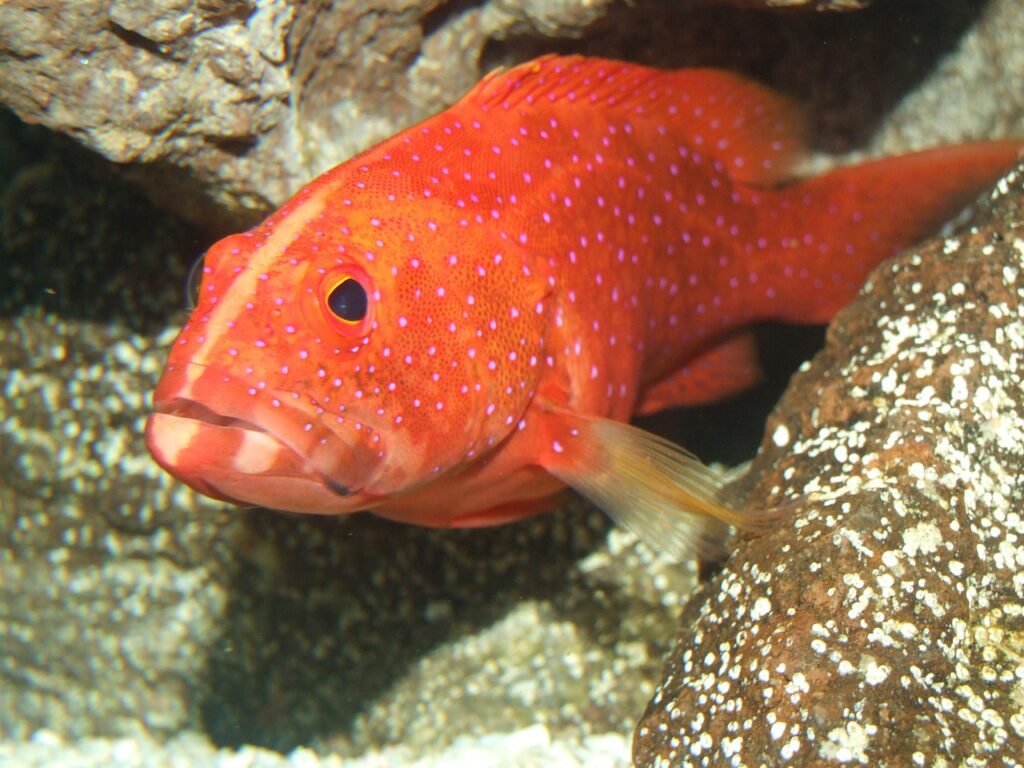
The marine life around Mykonos is diverse: gorgonians, groupers, sea bream, conger eels, colorful nudibranchs, octopus, squid and schools of small pelagics. Wrecks attract cave‑loving species like morays and occasionally larger visitors. Here are practical tips for underwater photography, wildlife encounters and respectful behaviour.
Underwater photography — Recommended gear: a waterproof housing for a DSLR or compact camera, external strobe, and either a wide‑angle or macro lens depending on the subject. For shallow caves, a wide‑angle lets you capture the architecture and incoming light. For wrecks favour focal ranges like 16–35 mm (full frame) or 10–24 mm (APS‑C). Settings: ISO 200–800 depending on light, aperture priority to control depth of field, and white balance tweaks in post‑processing.
Behavioural tips — Always keep a respectful distance from wildlife: don’t touch corals, gorgonians or sponges; avoid startling octopuses and groupers by approaching slowly and quietly. For archaeological sites (e.g. around Delos), strictly follow your guide’s instructions and never remove any artefacts.
Local tips — The meltemi (northerly wind) often blows from June to August and can make northern sites choppier. Ask the dive centre about backup plans if the sea is too rough: many trips are moved to the more sheltered Rhenia or southern sites. The best visibility is usually early in the morning (first dives) before wind stirs up the surface. In the evenings, consider night photography dives nearshore (e.g. Agios Ioannis) to spot shrimps, hunting octopus and cephalopods.
Conclusion — Preparing your diving trip to Mykonos: summary and final recommendations
Mykonos offers an enticing mix of wreck dives, sea cave exploration and encounters with diverse marine life, all close to historic islands like Delos and Rhenia. By choosing a professional dive centre — for example Mykonos Diving Center (Fabrika, Chora, Mykonos 846 00), Go Dive Mykonos (Tourlos Harbour, Tourlos, Mykonos 846 00) or Blue Caves Diving Mykonos (Agios Stefanos Road, Agios Stefanos, Mykonos 846 00) — you’ll get thorough safety briefings, well‑maintained gear and respect for protected sites. Expect to pay roughly €70–95 for a single dive, €150–190 for a full day, and €200+ for special excursions (Delos, archaeological dives, technical sites).
Plan your trip around wind conditions (meltemi), tourist season and certification requirements for certain deep wrecks or caverns. Book outings well in advance during high season and arrive at least 45 minutes before the meeting time for check‑in and briefings. Bring a DSMB, spare lights, a cutter, and protect electronics from moisture. Respect marine reserves and local rules around archaeological sites — preservation ensures these treasures remain for future generations.
Finally, end each dive day with a local meal to soak up Greek culture: grilled fish, mezze and local wines. Taverns like Kiki’s (Agios Sostis) or the harbour restaurants in Mykonos serve ideal dishes to recharge after a day at sea. With proper preparation, adherence to safety rules and an experienced local guide, your wreck and cave explorations around Mykonos will create unforgettable memories.